Sign up for FlowVella
Sign up with FacebookAlready have an account? Sign in now
By registering you are agreeing to our
Terms of Service
Loading Flow

Savanna.... A Tropical grassland
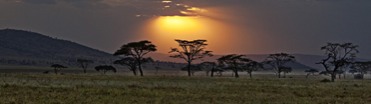
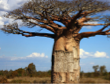
The baobab trees, found, in savanna's has adapted to the droughts by storing water in its trunk during the dry seasons
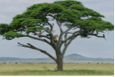
To ward off animals from munching on it, the acacia tree has adapted with long & sharp thorns.
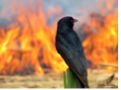
The fork tailed drongo is a rare example of an animal that benefits from fires in the savannah, the fleeing insects, or insects already caught on fire, serve as a buffet for these birds.
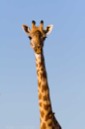
Giraffes are a prime example of adaptations, their long necks give them an advantage. They are able to eat the leaves from the tallest trees & do not have to compete for vegetation that grows down below.
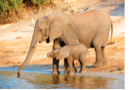
African elephants, also known as Savanna Elephants, live in this biome & are the LARGEST land animal in the world.
With a hight of 3-4 ft. tall the Dama Gazelle is the largest species of gazelle & can be found in savannas in Africa.

Savannas have tropical climates & are identified by tall grasses. They are not overly diverse when it comes to vegetation, however their are far more species of grasses than trees. They do though have a fair amount of animal diversity.
Stupendous Savanna Facts!
1.) most tree adaptations are to the droughts that they experience
2.) birds of prey thrive in savanna's due to the open spaces
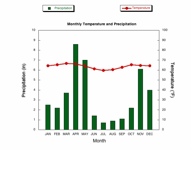
3.) rainfall is highly seasonal
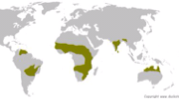
4.) largest savanna biome is located in Africa
5.) nearly half of Africa is considered a savanna
Overhunting by the hands of humans has been a problem in the savannas. Also, fires started by humans are harmful to the soil & damage the grasses.
The climotograph & map both give insight about the temperature and rainfall along with the locations of savannas
Downloading Image /



FlowVella, Previously Known As Flowboard
© 2026 FlowVella
 FlowVella