Sign up for FlowVella
Sign up with FacebookAlready have an account? Sign in now
By registering you are agreeing to our
Terms of Service
Loading Flow

Chaparral.... Also known as the Mediterranean!


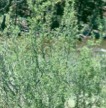
A member of the sunflower family, the coyote bush has adapted to the chaparral through its large root system. It's roots spread out far from the plant which helps it absorb any rainfall in addition to helping it regrow quickly after fires & floods.

The mountain mahogany is a small shrub found in chaparrals that are extremely resistant. The plant 'dwarves' meaning it gets smaller when there are severe droughts, poor soil, & drastic climate changes.

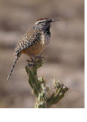
The cactus wren, the largest wren found in the United States, has no problem with the chaparral climate. It's adapted to it by using shrubs to build football shaped nests which protect it from predators & the surronding environment.
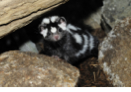
The spotted skunk, has several adaptations used for hunting in the chaparral. They have sharp teeth which they use to rip though the flesh of there prey, which is typically small rodents. They also have sharp claws for climbing & digging. However, their most well known adaptation is the musky spray they use to keep safe from predators.

The American coyote is commonly found in the chaparral in North America & hunts among the scattered bushes & trees.

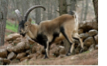
The wild goat, a herbivore, is properly known as capra aegagrus. They can be found in Mediterranean chaparrals.

The human impact that has been most devastating to the chaparral is wild fires. In addition, hunting of the animals & air pollution due to urbanization are threats to the chaparral.
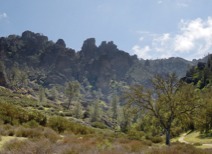
Chaparrals are identified by shrubs & vegetation that grows close to the ground. They are both temperate & tropical due to their scattered location throughout the globe. Chaparral's are very diverse despite their appearance.

Chaparral facts!
1.) the summer season which is very dry can last up to five months
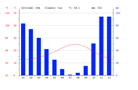
2.) they average 10-17 inches of rainfall per year.
3.) chaparral comes from a Spanish word which means shrub oak.
4. In the winters temperatures can dip as low as 30 Fahrenheit.
5. Many animals in this biome are nocturnal, they come out at night when it is cooler.
Through the map above we can see that chaparrals are a relatively small biome, spread throughout the world in small patches.



Downloading Image /



FlowVella, Previously Known As Flowboard
© 2026 FlowVella
 FlowVella