





Northwestern Coniferous Forest
Northwestern Coniferous Forest
By Gabriel Johnson
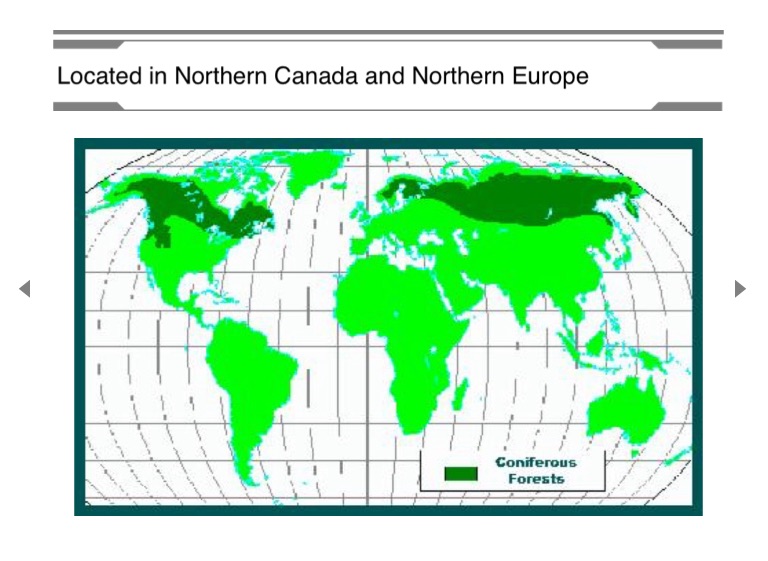
Located in Northern Canada and Northern Europe
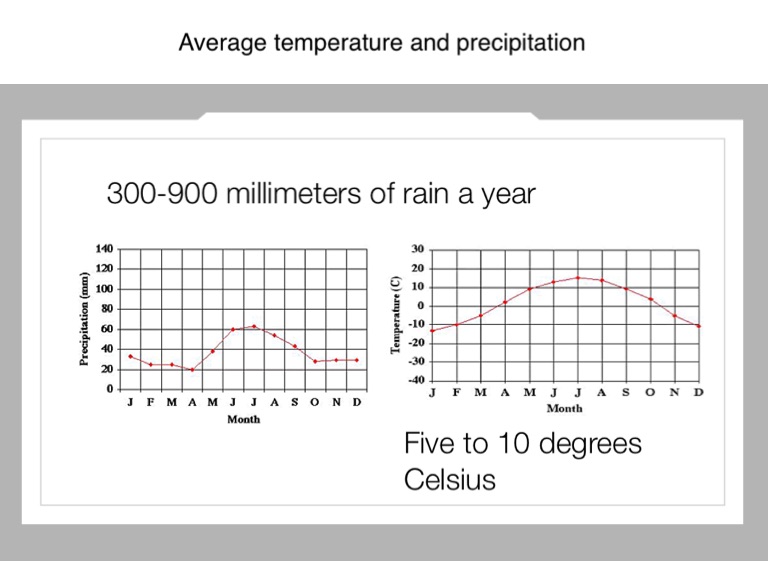
300-900 millimeters of rain a year
Average temperature and precipitation
Five to 10 degrees Celsius
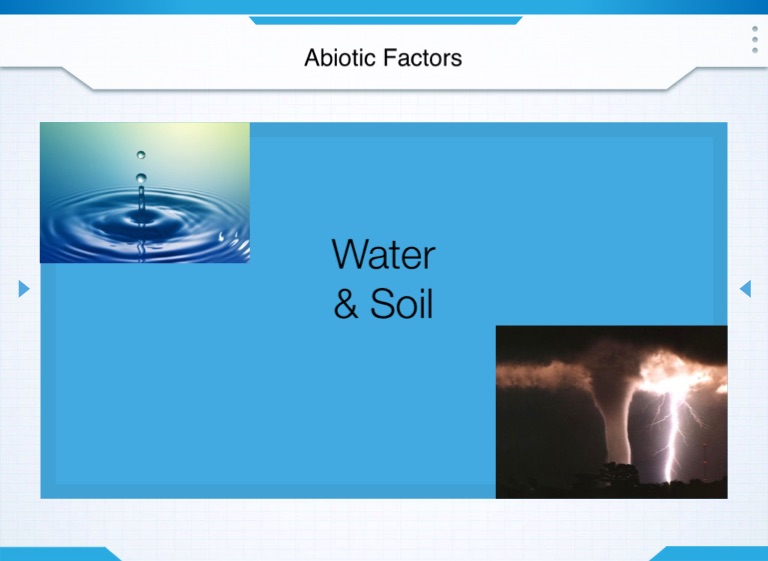
Water & Soil
Abiotic Factors
3 Adaptations
Coniferous tree- the coniferous tree is adapted by having needle shaped leaves to hold ore water. and they stay on the tree all year round Black Spruce Trees - the branches of the Black Spruce tree angle down to prevent breaking under the weight of heavy winter snows. Giant Sequoia Trees - one of the largest and longest-lived life forms on Earth - some have lived for more than 3,000 years. Several factors contribute to the long life of the giant sequoia. Its unusually because of its thick bark, the thick bark is fire-resistant.
Endangered Animal
The grizzly bear is listed as an endangered species in Canada, the fish population may go up if the grizzly bear is killed off. The fish will produce more offsprings and soon other animals will produce offsprings.
Northwestern Coniferous Forest Food Chain
SHOWCASE YOUR PROJECT
"Humans destroy the habitat of some animals. Coniferous trees provide habitat for many animals, from squirrels, to woodpeckers. When trees are cut down, animals are sometimes killed in the process, and others are forced to leave their homes. Some of these animals do not have a new home to go to, and their existence may be threatened. Spotted Owls are an example of this. The Northern Spotted Owl lives in the holes of old growth trees. When too many of these trees are cut down, the bird has nowhere to go" ("Coniferous Forest". weebly.com).
Citation page
http://www.earthobservatory.nasa.gov/Experiments/Biome/bioconiferous.php http://dendro.cnre.vt.edu/Forsite/ncfbiome.htm http://northwesternconiferousforestnow.weebly.com/abiotic-factors.html http://www.answers.com/Q/What_are_some_plant_adaptations_in_coniferous_forest http://inchinapinch.com/hab_pgs/terres/coniferous/plants.htm http://boandseth.weebly.com/human-impacts.html Picture citataions http://kleanritecleaners.com/images/northwest-coniferous-forest-food-web-i2.jpg http://realitypod.com/wp-content/uploads/2010/07/Aquagenic-Urticaria.jpg http://images.fanpop.com/images/image_uploads/severe-weather-weather-250420_1024_768.jpg http://animalscamp.com/wp-content/uploads/2011/12/Grizzly-Bear-4.jpg