Sign up for FlowVella
Sign up with FacebookAlready have an account? Sign in now
By registering you are agreeing to our
Terms of Service
Loading Flow

Tundra
The Arctic willow plant has adapted to the harsh conditions by growing close to the ground to avoid the extreme winds. Also, the leaves have little hairs to help insulate the plant.

The Bearberry plant has an adaptation to the tundra by where it grows. They are found typically behind rocks to avoid the wind, in addition their leathery leaves are adapted to keep moisture in & store heat.

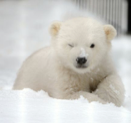
Polar bears, one of the most well known animals from the tundra, have several adaptations that make them suitable for the tundra. There thick layer of fat, up to 11 cm thick, keeps them warm in the winters. There black skin under their white fur helps with heat retention. Finally, the fur on their paws helps with insulation along with traction.
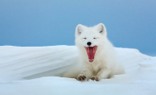
The Arctic fox also has more than one adaptation to the tundra. During the winter there fur turns white making them more easily camouflaged. Also, during these months they develop an extra layer of fat for insulation. Their short & round ears have lots of thick fur surrounding them which limits the amount of heat able to escape through their ears.
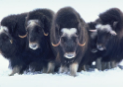
The muskox is a very unique animal found in the tundra. It's large hooves break through the ice in the winter so they can get drinking water.
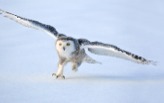
The snowy owl, a white owl with black spots, lives among the tundra. It's thick feather layers & its feet make it suitable for the climate in this biome.
Fun-fast Tundra facts!
1.) tundras are considered carbon sinks
2.) tundras cover around 20% of the earths surface
3.) the word tundra comes from the Finnish word "tunturia"
4.) during the summer there is nearly 24 hours of sunlight
5.) there are 400 flower species found in the tundra
Humans have taken advantage of the tundra by tapping into huge oil & gas lines. In addition, overhunting & fishing has harmed the wildlife & upset the fragile balance of the tundras Ecosystem
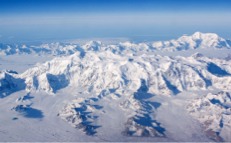
Known for their extremely polar climate, Tundras have low diversity. They are populated by their identifying species, herbaceous plants.
...You might know me as an Arctic desert, or for short you can call me the Arctic! Brrrr.....
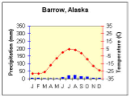
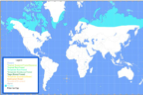
The world map highlights were tundras are found on the earth. The climatograph above shows the harsh temperatures of the tundra.
Downloading Image /



FlowVella, Previously Known As Flowboard
© 2025 FlowVella
 FlowVella