









Human Reproduction, 5th level
Human Reproduction (part 1)
Unit 4, 5th level
by Daniel Juan Santigosa
table of contents
Introduction
Human reproduction ans sexual differences
Sexual differences between men and women
The reproductive system (Female)
Introduction
Reproduction is an essential function in human beings. It enables humans to produce individuals similar to themselves. In this unit you will learn how the reproduction that started your life occurred. Where were you before you were born? While your body was forming and growing, you spent nine months in your mother’s body. Your body is formed by millions of cells, but your life started with one cell, which divided into many different cells over time. This first cell was very special: it was the result of the union of two cells, one from your father and the other from your mother.
When does the embryo start to look like a human being? Look at the fetus: can you tell if it is a boy or a girl?
Embryo at 6 weeks
Fetus at 16 weeks
Embryo made up of 10 cells
Fetus at 12 weeks
Fetus at 30 weeks
Human reproduction and sexual differences
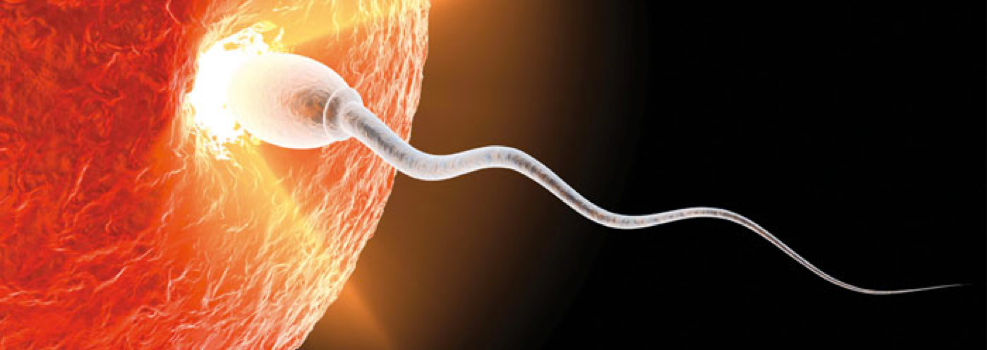
Human start life as a single microscopic cell in the wombs of their mothers. This cell is called a zygote. The zygote is formed by the union of two cells: the ovum from the mother, and the sperm from the father. This process is called fertilisation. After the fertilisation, the zygote develops into a small organism called an embryo. Over a period of time, the embryo develops a head, arms and legs.
Many sperm reach the ovum, but only one sperm will actually enter the ovum and fertilise it.
This type of reproduction is called sexual reproduction because it happens through the union of two different individuals: a male who produces the sperm, and a female who produces the ova. In humans, the males are called men, and the females are called women.
Sexual differences between men and women
Men and women have different reproductive systems made up of the sexual organs they use in reproduction. Men and women are also physically different in other ways. For example, women have breasts and wider hips, and men have more facial and body hair. We call all these differences between males and females sexual characteristics.
Fertilisation and the development of the zygote
division of cells
fetus
embryo
The reproductive system
The female reproductive system
The female reproductive system has two main functions: to produce ova and to protect and feed the growing embryo after fertilisation. The organs that make up the female reproduction system are internal and in the abdomen. They are the ovaries, the fallopian tubes, the uterus, the vagina and the vulva.
Front view
Front view
* The ovaries produce the ova (egg) needed for reproduction. From the age of puberty, the ovaries start to procuce ova. Once a month, one ovum is released from one of the ovaries and travels down the fallopian tube. * The fallopian tubes connect the ovaries to the uterus. * The uterus (or womb) is a hollow organ with muscular walls. The embryo develops in the woman’s uterus during the nine months of pregnancy. * The vagina is an elastic tube that connects the uterus to the outside of the body. * The vulva is made up of folds of skin that form the inner part of the vagina. There is also a separate orifice in the vulva from which urine from the bladder is released.
Side view
end of
human reproduction
part 1