Sign up for FlowVella
Sign up with FacebookAlready have an account? Sign in now
By registering you are agreeing to our
Terms of Service
Loading Flow

Downloading Image /
Downloading Image /
Downloading Image /
Downloading Image /

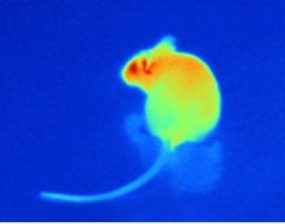
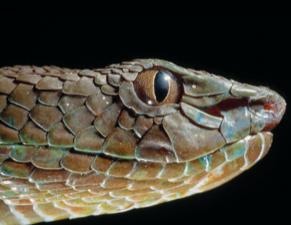
Some animals can "see" in the infrared. For example, snakes in the pit viper family (e.g. rattlesnakes) have sensory "pits," which are used to detect infrared light. This allows the snake to find warm-blooded animals (even in dark burrows), by detecting the infrared heat that they radiate. Snakes with 2 sensory pits are thought to have some depth perception in the infrared. We experience infrared radiation every day. The heat that we feel from sunlight, a fire, a radiator or a warm sidewalk is infrared. Although our eyes cannot see it, the nerves in our skin can feel it as heat. The temperature-sensitive nerve endings in your skin can detect the difference between your inside body temperature and your outside skin temperature. We also commonly use infrared rays when we operate a television remote.

Downloading Image /
Downloading Image /



Infrared Light
Project Made For Physics' Lesson, 9th Grade. ©Astana Kazakhstan 2014

FlowVella, Previously Known As Flowboard
© 2026 FlowVella
 FlowVella