Sign up for FlowVella
Sign up with FacebookAlready have an account? Sign in now
By registering you are agreeing to our
Terms of Service
Loading Flow

Downloading Image /

Martin Luther John Calvin King Henery III
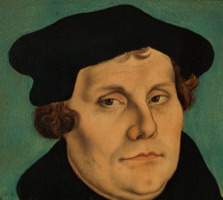

Martin Luther - Martin Luther is credited with starting the reformation, but he never wanted to leave the Catholic Church. He just wanted to correct what he saw as the church's mistakes. After he was excommunicated, Luther began to depart more and more from church teachings. For example, although the Roman Catholic Church didn't let priests get married, Luther married a former nun in the 1525. Still, as an old man Luther regretted that his actions has cause a split in the church.
The 95 theses
I
I
I
I
I
I
I
I
I
I
I
I
I
I
I
I
I
I
I
I
I
I
I
I
I
I
I
I
I
I
I
I
I
I
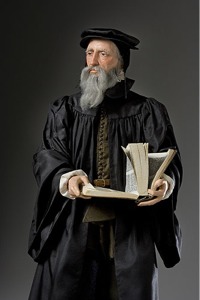
Calvin was probably
the most influential
figure of the Reformation
after Luther. Through his
writings and preaching,
Calvin spread basic
Reformation ideas such
as the right to the
common people to make
church policy. Unlike
many other religious
leaders, Calvin didn't think that the pursit of profits would keep business people from being saved. This Idea would eventually help lead to the growth of
capitalism.
I
I
I
I
I
I
I
I
I
I
I
I
I
I
I
I
I
I
I
I
I
I
I
I
I
I
I
I
I
I
I
I
I
I
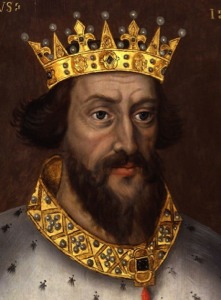
In England the major figure of the Reformation
was King Henry VIII. Because he had no sons and his wife couldn't have any more children, Henry asked the pop to officially end his marriage. Henry wanted to get married again so that he could have a son to whom he could leave his throne. The pop refused Henry's request. Furious and hurt, Henry decided that he didn't want to obey the pope anymore. In 1534 he declared himself the head of a new church, called the Church of England, or Anglican Church. Unlike Luther and Calvin, Henry made his break from the Catholic Church for personal reasons rather that religious ones. As a result, he didn't change many church practices. Many rituals and beliefs of the Church of England stayed very much like those of the Catholic Church. Henry's break from the church, however, opened the door for other Protestant beliefs to take hold in England.
Downloading Image /
Downloading Image /
Downloading Image /
Downloading Image /
Downloading Image /
Downloading Image /
Downloading Image /
Downloading Image /
Downloading Image /



FlowVella, Previously Known As Flowboard
© 2025 FlowVella
 FlowVella