Sign up for FlowVella
Sign up with FacebookAlready have an account? Sign in now
By registering you are agreeing to our
Terms of Service
Loading Flow

Downloading Image /
Downloading Image /

SIDS is a diagnosis of exclusion. A death is diagnosed as SIDS only after all other alternatives have been eliminated. Often the cause of an infant death can be determined only through a process of collecting information, conducting complex forensic tests and procedures, and talking with parents and physicians.When a death is sudden and unexplained, investigators, medical examiners and forensic specialists use forensic medicine.The diagnosis of SIDS is given when the cause of death remains unexplained after a complete investigation, which includes the autopsy, death scene investigation and review of the symptoms or illnesses the infant had prior to dying along with family medical history.
If the infant is seen after an apparent life-threatening event (ALTE), workup includes appropriate blood and urine tests, as well as radiography and computed tomography when warranted. A 12-lead electrocardiogram (ECG) should be obtained. Electroencephalography (EEG) should be considered if indicated by findings from the history or physical examination. Patients younger than 2 months and those with significant evidence of infection should have a complete septic workup, including lumbar puncture and empiric antibiotics.SIDS can not be predicted, prevented, or reversed. SIDS can't be treated. SIDS stands for Sudden Infant Death Syndrome. So if a child had SIDS that means the child has passed on.
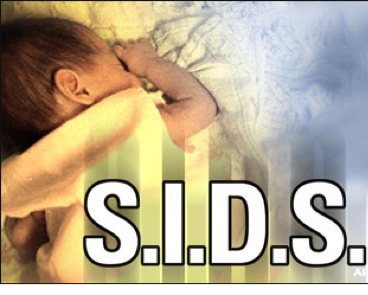

DIAGNOSIS AND TREATMENTS
Downloading Image /
Downloading Image /
Downloading Image /
Downloading Image /
Downloading Image /
Downloading Image /



FlowVella, Previously Known As Flowboard
© 2026 FlowVella
 FlowVella