





Dark Showcase
Protestant Reformation
By Melody Nguyen
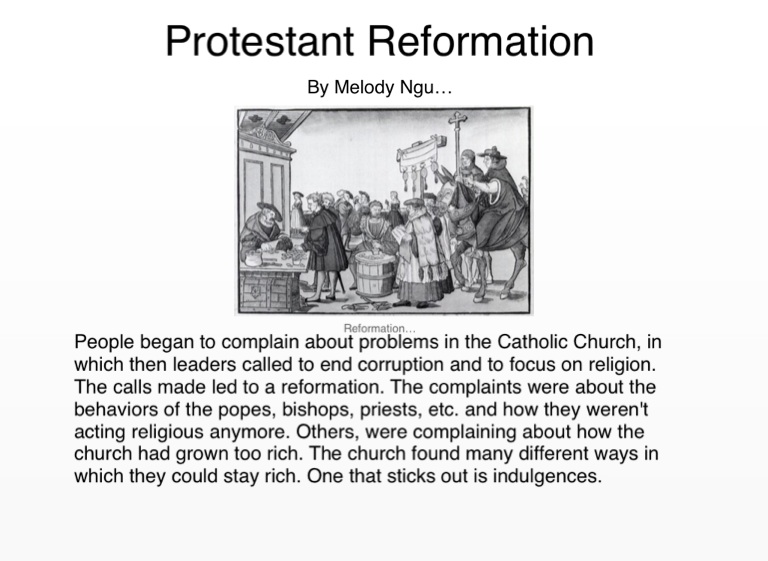
People began to complain about problems in the Catholic Church, in which then leaders called to end corruption and to focus on religion. The calls made led to a reformation. The complaints were about the behaviors of the popes, bishops, priests, etc. and how they weren't acting religious anymore. Others, were complaining about how the church had grown too rich. The church found many different ways in which they could stay rich. One that sticks out is indulgences.
Reformation Day
Indulgences/Purgatory
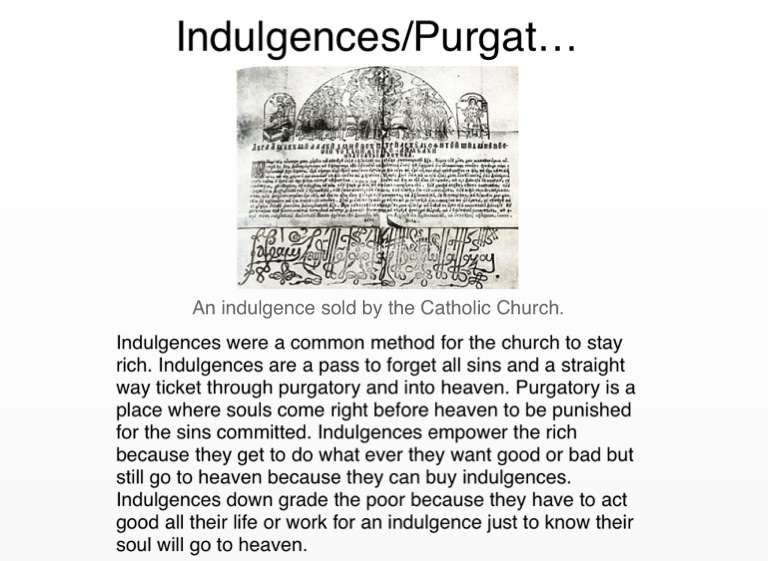
An indulgence sold by the Catholic Church.
Indulgences were a common method for the church to stay rich. Indulgences are a pass to forget all sins and a straight way ticket through purgatory and into heaven. Purgatory is a place where souls come right before heaven to be punished for the sins committed. Indulgences empower the rich because they get to do what ever they want good or bad but still go to heaven because they can buy indulgences. Indulgences down grade the poor because they have to act good all their life or work for an indulgence just to know their soul will go to heaven.
Martin Luther John Calvin
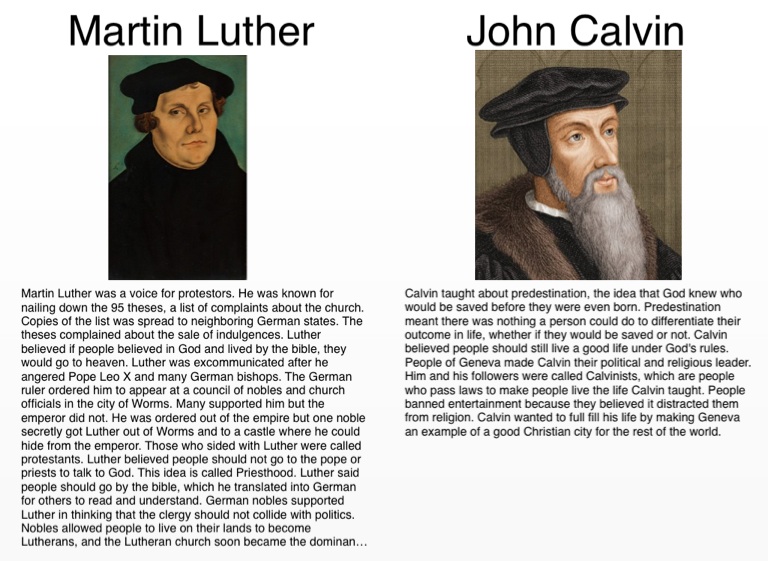
Martin Luther was a voice for protestors. He was known for nailing down the 95 theses, a list of complaints about the church. Copies of the list was spread to neighboring German states. The theses complained about the sale of indulgences. Luther believed if people believed in God and lived by the bible, they would go to heaven. Luther was excommunicated after he angered Pope Leo X and many German bishops. The German ruler ordered him to appear at a council of nobles and church officials in the city of Worms. Many supported him but the emperor did not. He was ordered out of the empire but one noble secretly got Luther out of Worms and to a castle where he could hide from the emperor. Those who sided with Luther were called protestants. Luther believed people should not go to the pope or priests to talk to God. This idea is called Priesthood. Luther said people should go by the bible, which he translated into German for others to read and understand. German nobles supported Luther in thinking that the clergy should not collide with politics. Nobles allowed people to live on their lands to become Lutherans, and the Lutheran church soon became the dominant church.
Calvin taught about predestination, the idea that God knew who would be saved before they were even born. Predestination meant there was nothing a person could do to differentiate their outcome in life, whether if they would be saved or not. Calvin believed people should still live a good life under God's rules. People of Geneva made Calvin their political and religious leader. Him and his followers were called Calvinists, which are people who pass laws to make people live the life Calvin taught. People banned entertainment because they believed it distracted them from religion. Calvin wanted to full fill his life by making Geneva an example of a good Christian city for the rest of the world.
Catholic Reformation
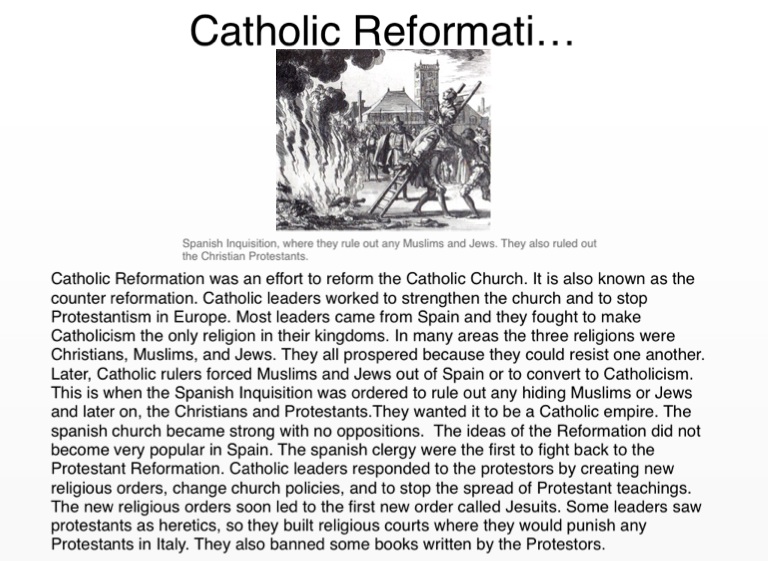
Spanish Inquisition, where they rule out any Muslims and Jews. They also ruled out the Christian Protestants.
Catholic Reformation was an effort to reform the Catholic Church. It is also known as the counter reformation. Catholic leaders worked to strengthen the church and to stop Protestantism in Europe. Most leaders came from Spain and they fought to make Catholicism the only religion in their kingdoms. In many areas the three religions were Christians, Muslims, and Jews. They all prospered because they could resist one another. Later, Catholic rulers forced Muslims and Jews out of Spain or to convert to Catholicism. This is when the Spanish Inquisition was ordered to rule out any hiding Muslims or Jews and later on, the Christians and Protestants.They wanted it to be a Catholic empire. The spanish church became strong with no oppositions. The ideas of the Reformation did not become very popular in Spain. The spanish clergy were the first to fight back to the Protestant Reformation. Catholic leaders responded to the protestors by creating new religious orders, change church policies, and to stop the spread of Protestant teachings. The new religious orders soon led to the first new order called Jesuits. Some leaders saw protestants as heretics, so they built religious courts where they wo...
Jesuits and the Council of Trent
Symbol of Jesuits. Jesuits were ordered to serve the pope and Catholic Church.
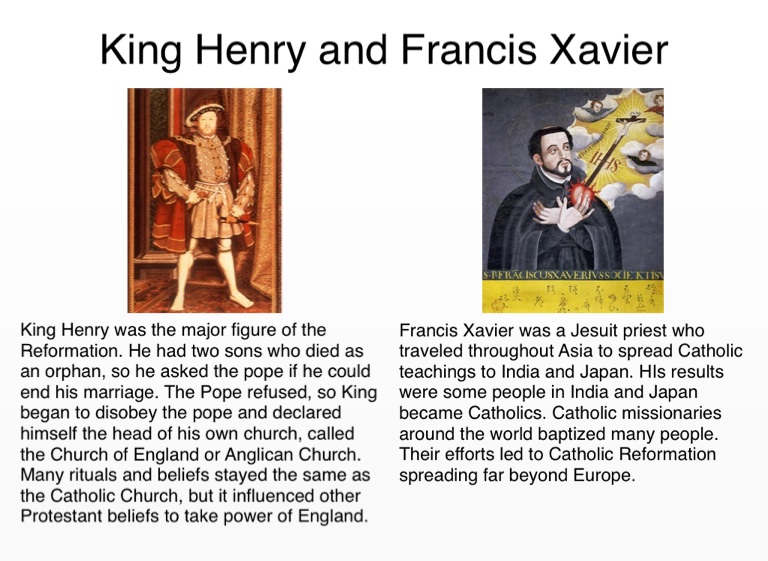
Council of Trent. They concluded that the pope had to live on the ground they ruled and to set huge priorities to Catholic teachings.
The new order was founded by Ignatius of Loyola. This new order was the order of Jesus, Jesuits. Jesuits were orders formed to serve the pope and the church. Ignatius was a soldier and the orders Jesuits obeyed had many disciplines. Ignatius took lead and called his Jesuits as soldiers. Jesuits goal was to teach people Catholic Ideas, in which he thought would turn people away from Protestant ideas. Another order was by Angela Merici, called the Ursulines Order. It was to teach more girls than boys. They were similar to Jesuits because they believed Catholic teachers was the key to end Protestant ideas. Catholic leaders felt that they needed more change so they called a council of church leaders, called the Council of Trent. Leaders came together to discuss and reform Catholic teachings. They met three times and the major decisions made concluded to major reforms of the church and for bishops to live in the area they ran. They set huge priorities to Catholic teachings and instituted to Catholic practice. This made the Catholic and Protestants beliefs very clear and distinct.
King Henry and Francis Xavier
King Henry was the major figure of the Reformation. He had two sons who died as an orphan, so he asked the pope if he could end his marriage. The Pope refused, so King began to disobey the pope and declared himself the head of his own church, called the Church of England or Anglican Church. Many rituals and beliefs stayed the same as the Catholic Church, but it influenced other Protestant beliefs to take power of England.
Francis Xavier was a Jesuit priest who traveled throughout Asia to spread Catholic teachings to India and Japan. HIs results were some people in India and Japan became Catholics. Catholic missionaries around the world baptized many people. Their efforts led to Catholic Reformation spreading far beyond Europe.