Sign up for FlowVella
Sign up with FacebookAlready have an account? Sign in now
By registering you are agreeing to our
Terms of Service
Loading Flow

Downloading Image /
Downloading Image /
Downloading Image /
Downloading Image /
Downloading Image /

DIAGNOSED AND TREATMENT
Mild forms of the disease may be treated with:
NSAIDs, such as ibuprofen, for joint symptoms and pleurisy
Corticosteroid creams for skin rashes.
An antimalaria drug (hydroxychloroquine) and low-dose corticosteroids for skin and arthritis symptoms.
Treatments for more severe lupus may include:
High-dose corticosteroids or medications to decrease the immune system response.
Cytotoxic drugs (drugs that block cell growth). These medicines are used if you do not get better with corticosteroids, or if your symptoms get worse when the stop taking them. Side effects from these drugs can be severe, so you need to be monitored closely if you take them.
If you have lupus, it is also important to:
Wear protective clothing, sunglasses, and sunscreen when in the sun.
Get preventive heart care.
Stay up-to-date with immunizations.
Have tests to screen for thinning of the bones (osteoporosis).
Antinuclear antibody (ANA) testing and anti-extractable nuclear antigen (anti-ENA) form the mainstay of serologic testing for SLE. Several techniques are used to detect ANAs. Clinically the most widely used method is indirect immunofluorescence (IF). The pattern of fluorescence suggests the type of antibody present in the patient's serum. Direct immunofluorescence can detect deposits of immunoglobulins and complement proteins in the patient's skin. When skin not exposed to the sun is tested, a positive direct IF (the so-called lupus band test) is an evidence of systemic lupus Erythematosus.
There is no cure for SLE. The goal of treatment is to control symptoms. Severe symptoms that involve the heart, lungs, kidneys, and other organs often need treatment from specialists.
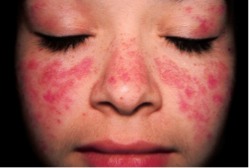
Diagnosed:
Downloading Image /
Downloading Image /
Downloading Image /



FlowVella, Previously Known As Flowboard
© 2026 FlowVella
 FlowVella