








Animals Reproduction, 5th level
Animal Reproduction (part 1)
Unit 5, 5th level
by Daniel Juan Santigosa
table of contents
Sexual reproduction and fertilisation
From zygote to birth
The development and care of young
Asexual reproduction
1.- Sexual reproduction and fertilisation
Sexual reproduction in animals
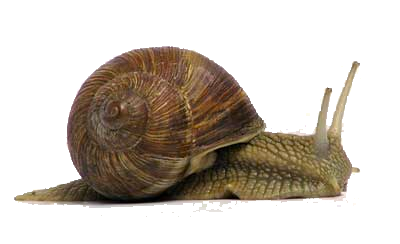
Most animals reproduce sexually: a new individual is created by the fertilisation of a female ovum by a male sperm. In nearly all species of animals, individuals are either male or female. They can be distinguished by their reproductive systems: - Males have testicles, which produce sperm. - Female have internal ovaries, which produce ova. Males and females can also be distinguished by differences in their size and colour. In some animal species, an individual can be both male and female. They have both testicles and ovaries. These animals are called hermaphrodites. Snails and earthworms are hermaphrodites.
Types of Fertilisation
Fertilisation in animals takes place in one of two ways: either by internal fertilisation, inside the body of female, or by external fertilisation, outside the body of the female animal. Internal fertilisation Internal fertilisation occurs in all land animals, like mammals, birds, reptiles and insects. It also occurs in aquatic mammals, aquatic reptiles and in sharks. During sexual union, or copulation, the male deposits his sperm inside the female’s body. External fertilisation External fertilisation occurs in water. The female deposits ova in the water, and the male deposits sperm. The sperm then swim to the ova to fertilise them. External fertilisation occurs in nearly all aquatic animals, from fish to sponges.
Look and answer
1.- Where does fertilisation take place? Is it external or internal in salmon? 2.- What do the ova and sperm look like? 3.- How do the sperm travel to fertilise the ova? 4.- What similarities can you see between the salmon ova and sperm and human ova and sperm? Can you see any differences?
2.- From zygote to birth
After fertilisation, the zygote starts to divide and grow into an embryo. The embryo develops until it is ready to survive externally, and then it is born.
Oviparous animals
Animals that are born from an egg are called oviparous animals. In these animals, the zygote develops into an embryo inside the egg. The egg forms a protective shell around the zygote cell. It also contains the food that the zygote needs to develop into an embryo. Some eggs are small and very simple. The eggs of fish and amphibians, for example, are made up of an embryo and soft, gelatine shell. Other eggs are larger and more complex. The eggs of reptiles and birds are made up of a yolk, eggs white and a hard shell.
Viviparous animals
In viviparous animals, the embryo develops inside the mother until it is ready to be born. She provides the embryo with the food it needs to grow. The length of time the embryo takes to develop inside the mother is called gestation. The length of gestation varies according to the species. All mammals are viviparous. Some reptiles, like vipers, and some sharks, like the great white shark, are also viviparous.
3.- The development and care of young
How do young animals develop?
Young animals can grow into adults in two ways: By direct development. The young look very similar to their parents. They only need to grow and change a little to become adults. By indirect development. The young are very different from their parents. They have to change completely in order to become adults. This process is called metamorphosis. Amphibians and some insects, like butterflies, change by metamorphosis. When the young are born, they are called larvae. For example, tadpoles are the larvae of frogs and caterpillars are the larvae of butterflies.
Caring for the young
Many animals abandon their young after they have given birth or laid eggs. However, birds, mammals and some insects care for their young until they are able to look after themselves. The chicks of most birds stay in the nest when they are born and are feed by their parents. Mammals feed their young, protect them from enemies, and teach them how to look for food and avoid danger. Some insects also take care of their young. Bees and ants look after and feed their larvae until they become adults.
end of
animal reproduction
part 1