







Sustainable Agriculture Tanzania-Field Trip
field trip
Sustainable Agriculture Tanzania (SAT)
March 09, 2015
on March 9, 2015, I had an opportunity to visit the demonstration farm and training center for Sustainable Agriculture Tanzania (SAT) what follows is a modest photographic account of my experiences …
table of contents
water systems
crop systems
livestock systems
operations systems
water
section photos
systems
water control
year-round water supply
waste treatment
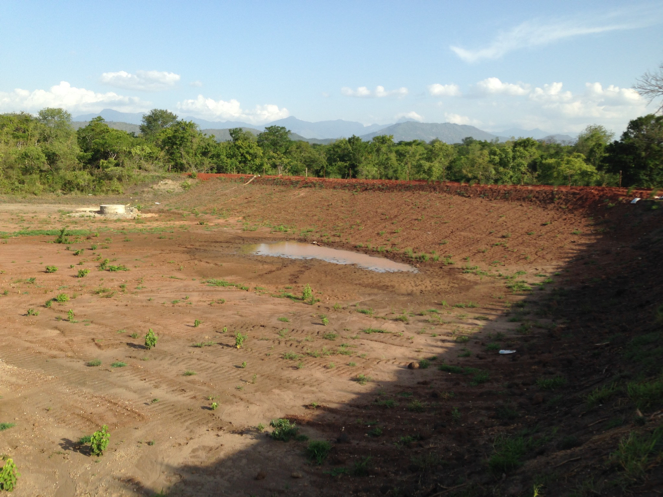
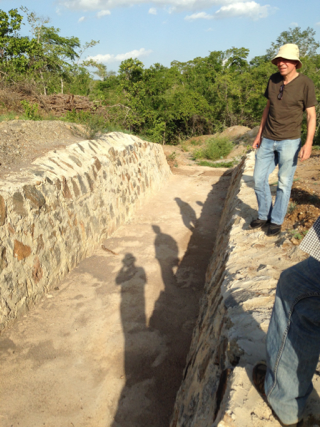
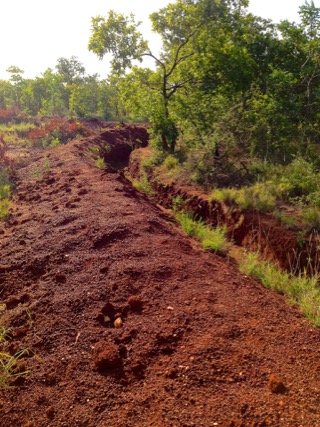
earthen dam impoundment and terracing in several watershed areas (click here)
about SAT vision mission goal
team
location
contacts
classes
organic shop
an extensive rainwater catchment system collects water from the roofs of outbuildings and feeds into a 350,000-liter tank (click here) to provide water for household use
the lefthand photo in the waste treatment slide (click here) features two water systems represented by a series of four cascading concrete chambers
the top chamber collects overflow from the 350,000-liter rainwater tank mentioned previously to be used to raise fish for human consumption
the three chambers below comprise the final stage of the biological sewage system at SAT. during 2015 the first two chambers will be filled with gravel and reeds planted on top to purify the grey water. fish raised in the third chamber will indicate if the system is working properly and are not for human consumption
when completed in 2015, the bi-level water tower (no photo) will provide water for domestic use through two 5,000-liter tanks on the four-meter level whereas the four 5,000-liter tanks at the seven-meter level will be used for irrigation and livestock
enclosed septic system for sewage treatment (no photo)
water control
year-round water supply
waste treatment
grey water three-chamber biological sewage system
top chamber holds rainwater overflow from storage tank for aquaculture
future location of biogas generator
water
manure
crop
section photos
systems
agroforestry unit
horticulture unit
herbal and medicinal unit
agroforestry
horticulture
artemisia annua seedlings
mature plant
livestock
section overview
systems
dairy operation
poultry
future paddocks
four types of bee-keeping methods are undergoing test and evaluation (no photo)
about SAT vision mission goal
team
location
contacts
classes
organic shop
the poultry unit (click here) includes eight ducks and ducklings, fifty chickens and chicks, and six guineas
water made available from the earthen dam and reservoir will allow expansion of the dairy unit (click here) to include 20 - 30 head of cattle and 10 goats in the dairy herd; pigs and rabbits; and the addition of 500 - 1000 chickens
the paddock system (click here) will offer a sustainable grazing method that avoids overgrazing / erosion
the livestock project will enable SAT to achieve 100% self-sufficiency
dairy
operation
poultry
future paddocks
operations
section overview
systems
training center
dormitories / offices
dormitory rooms
offices
landmarks
about SAT vision mission goal
team
location
contacts
classes
organic shop
construction materials used for buildings included locally-produced bricks hardened by burning rice husks rather than wood. this offers a sustainable alternative to deforestation. burned rice husks may be used for carbon farming. other potentially sustainable materials will be tested in the future as time and capacity allow
classes delivered to over 600 trainees from public, private, and voluntary sectors since 2013
innovators and researchers encouraged to test applications, e.g., solar power and wind generation systems, that complement SAT applied research initiatives
operations are over 60% self-sufficient after one-year which attracts funders for scale-up. SAT village-appropriate infrastructure has increased local land values and added credibility to model
training center
dormitories
offices
dormitory rooms
offices
landmarks
best mobile phone reception
rainwater catchment
new housing for laborers
asante
my acknowledgements to Alexander Wostry, Sustainable Agriculture Tanzania (SAT); Bart Weetjens, APOPO and You Be Well; and David Kraybill and the program management unit (PMU) at the Innovative Agricultural Research Initiative (iAGRI) for providing the inspiration, introduction, and encouragement behind the tour and ensuing account
farm life
SAT farmer training centre
2015 class schedule