Sign up for FlowVella
Sign up with FacebookAlready have an account? Sign in now
By registering you are agreeing to our
Terms of Service
Loading Flow

Downloading Image /
Downloading Image /
Downloading Image /
Downloading Image /
Downloading Image /
Downloading Image /
SUGAR 06
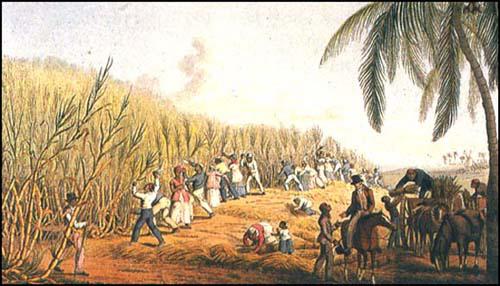
Sugar plantations were established in both the Caribbean and in Brazil, by the French/English/Dutch and the Portuguese, respectively. In both places the effect of sugarcane was seen through Eurasia where it replaced honey and other natural sweeteners. This created a necessity for imported African slaves as laborers. Portuguese interest in Brazil rose dramatically after midcentury when entrepreneurs established profitable sugar plantations on the coast. This lead to the establishment of cash crops.
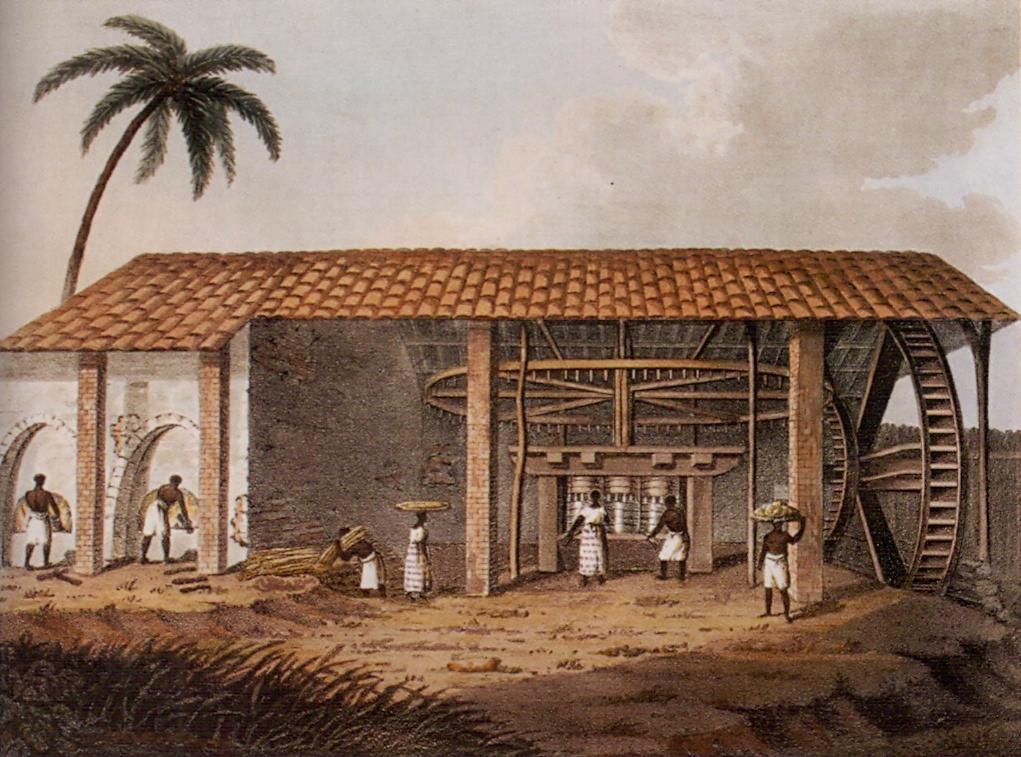
Engenhos, made up a strong part of the Brazilian landscape. They depended both on heavy labor for the planting and harvesting of cane and on the specialized skills of individuals who understood the intricacies of the sugar-making process. As a result, engenhos were among the most complex business enterprises in the Americas, where sugar was the most important export.
Portuguese plantation managers imported slaves as early as the 1530s, but they began to rely on African labor on a large scale only in the 1580s.The working conditions of the slaves (mistreatment, heat, poor nutrition, etc.) lead to a loss of slaves, and thus a high demand, continuously, for slaves.
Downloading Image /



FlowVella, Previously Known As Flowboard
© 2025 FlowVella
 FlowVella