Sign up for FlowVella
Sign up with FacebookAlready have an account? Sign in now
By registering you are agreeing to our
Terms of Service
Loading Flow

Downloading Image /






Imperialism in Asia
Questions answered in paragraph form
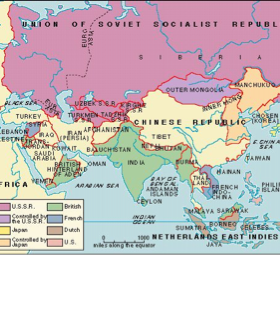
Beginning in the seventeenth century, Great Britain formed and maintained an economic relationship with India. By the end of the eighteenth century, British rule of India was firmly planted and London came to view India as the jewel of its empire. This view guided its foreign policy. For decades, Britain used its military victories and naval superiority to ensure uninterrupted routes to India and beyond, hence its island holdings in the Mediterranean, along the west African coast, at the southern tip of Africa, and, most importantly, the Suez Canal. By the end of the eighteenth century, Indo-British economic ties were so entrenched in a neo-mercantile system that India provided a stepping stone for British trade with China. Britain traded English wool and Indian cotton for Chinese tea and textiles; however, as Chinese demand slackened, Britain sought other means of attracting trade with China.
Downloading Image /
Downloading Image /
Downloading Image /



FlowVella, Previously Known As Flowboard
© 2025 FlowVella
 FlowVella