





History 5 Presentation
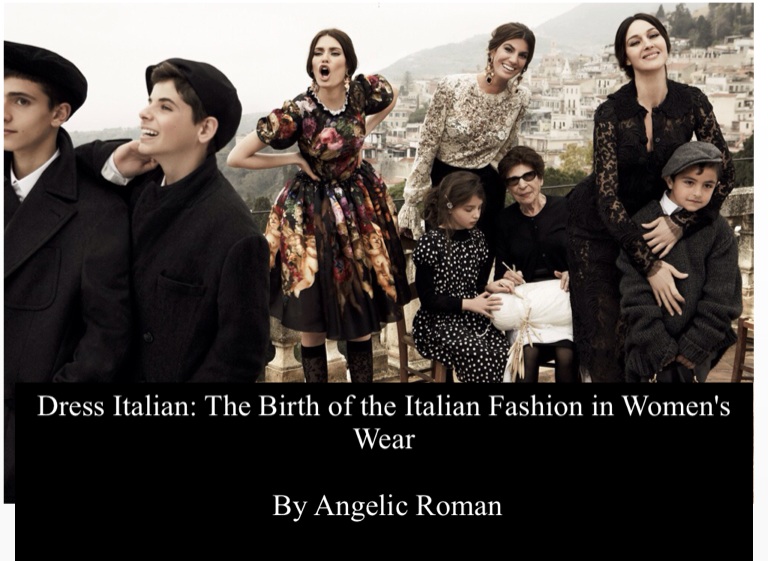
Dress Italian: The Birth of the Italian Fashion in Women's Wear By Angelic Roman
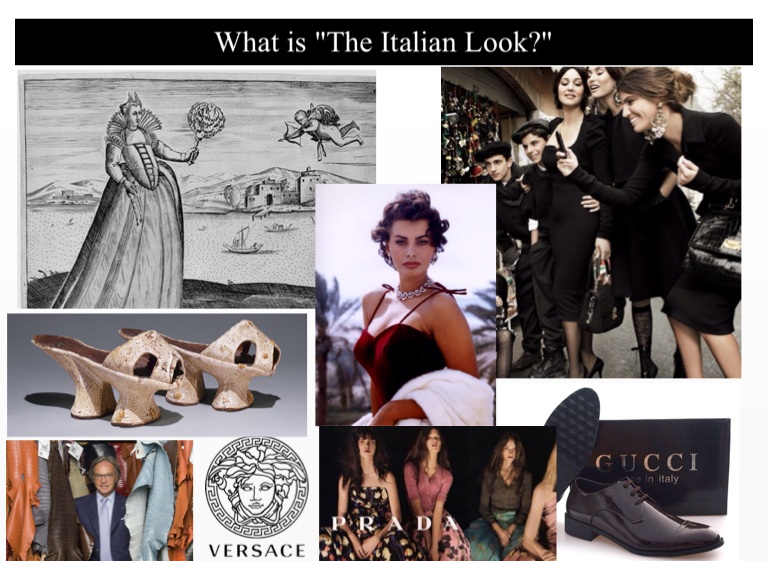
What is "The Italian Look?"
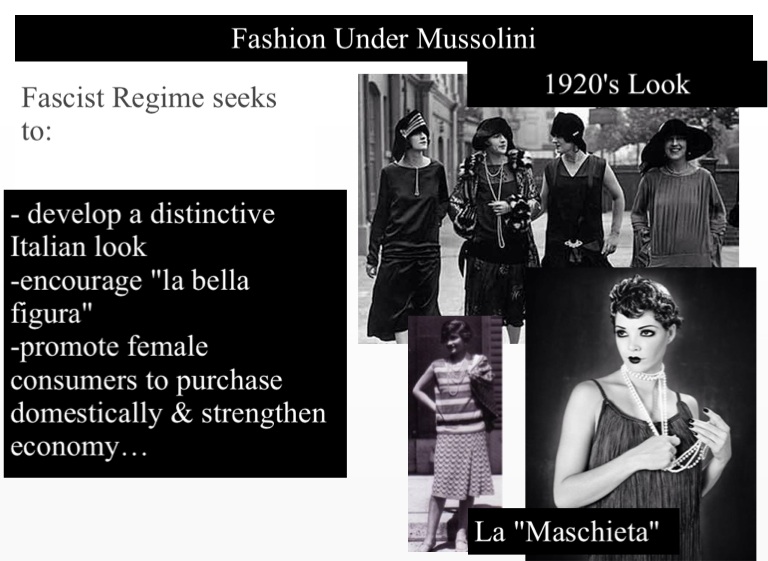
Fashion Under Mussolini
1920's Look
Fascist Regime seeks to:
- develop a distinctive Italian look -encourage "la bella figura" -promote female consumers to purchase domestically & strengthen economy -create recognition for Italian manufacturing
La "Maschieta"
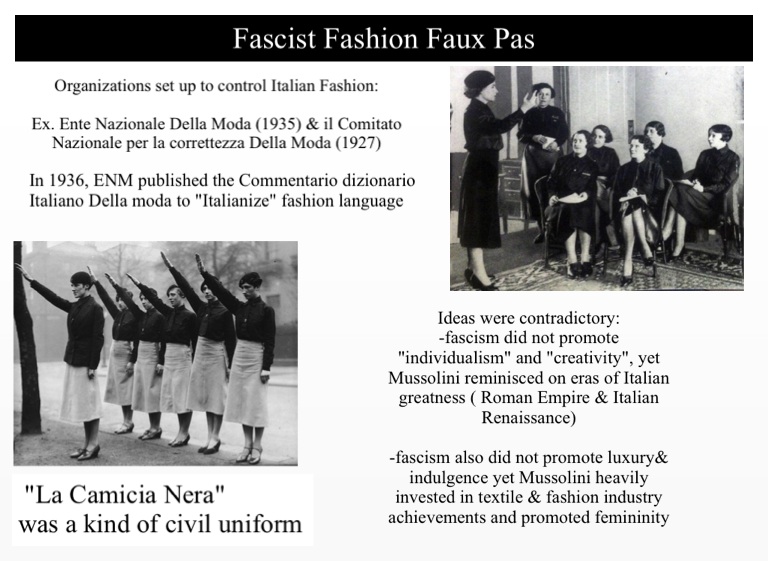
Fascist Fashion Faux Pas
Organizations set up to control Italian Fashion: Ex. Ente Nazionale Della Moda (1935) & il Comitato Nazionale per la correttezza Della Moda (1927)
In 1936, ENM published the Commentario dizionario Italiano Della moda to "Italianize" fashion language
Ideas were contradictory: -fascism did not promote "individualism" and "creativity", yet Mussolini reminisced on eras of Italian greatness ( Roman Empire & Italian Renaissance) -fascism also did not promote luxury& indulgence yet Mussolini heavily invested in textile & fashion industry achievements and promoted femininity
"La Camicia Nera" was a kind of civil uniform
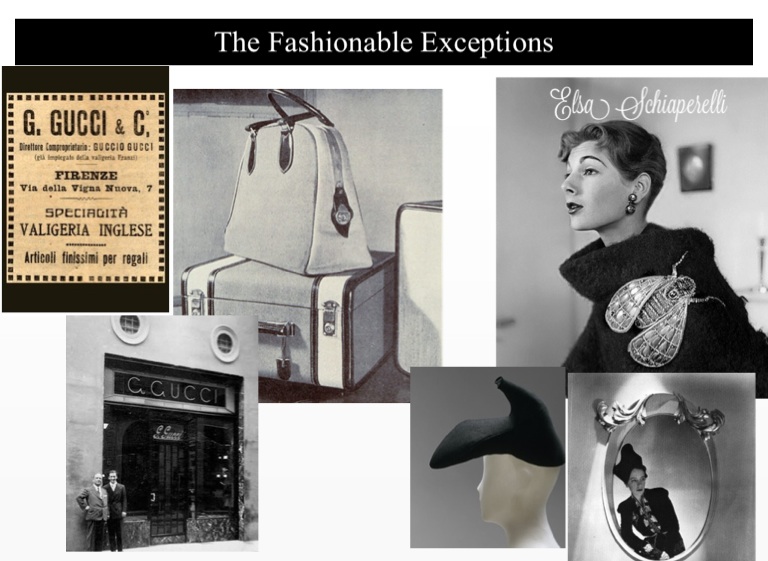
The Fashionable Exceptions
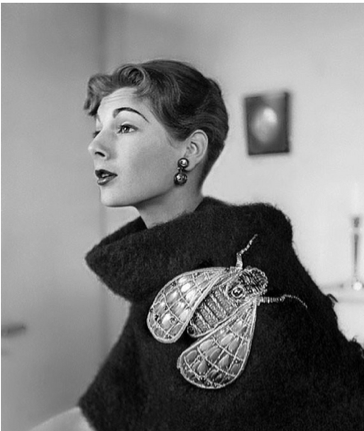
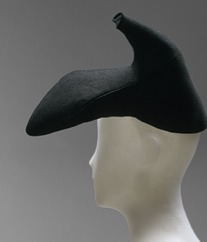
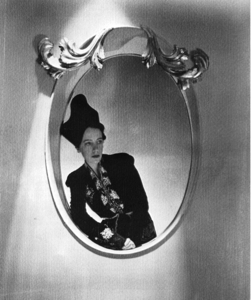
Elsa Schiaperelli
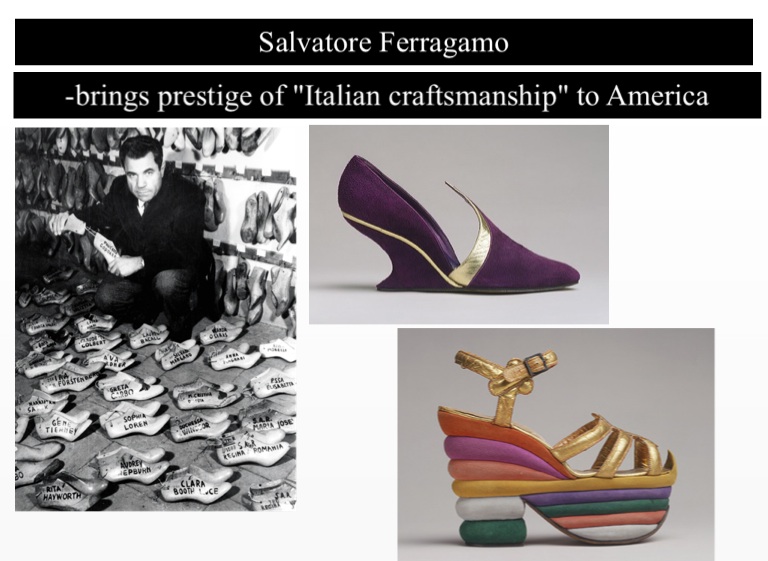
Salvatore Ferragamo
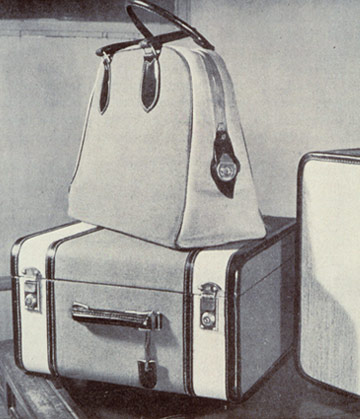
-brings prestige of "Italian craftsmanship" to America
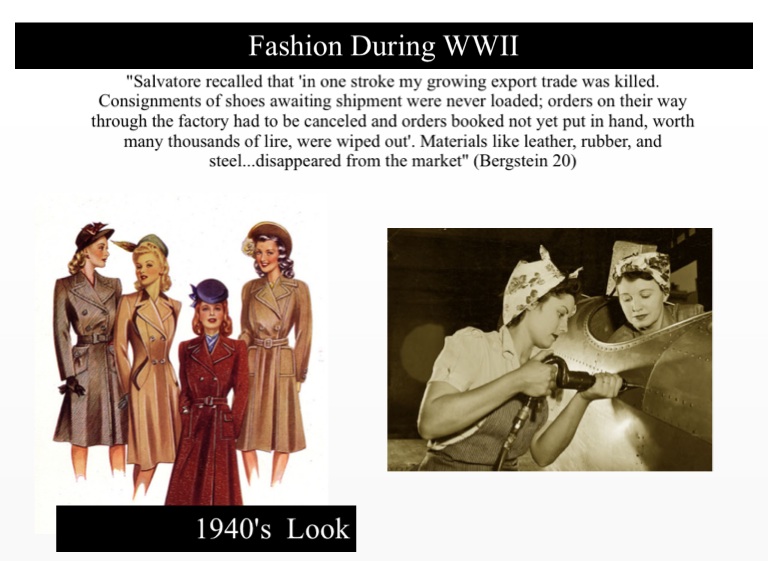
Fashion During WWII
"Salvatore recalled that 'in one stroke my growing export trade was killed. Consignments of shoes awaiting shipment were never loaded; orders on their way through the factory had to be canceled and orders booked not yet put in hand, worth many thousands of lire, were wiped out'. Materials like leather, rubber, and steel...disappeared from the market" (Bergstein 20)
1940's Look
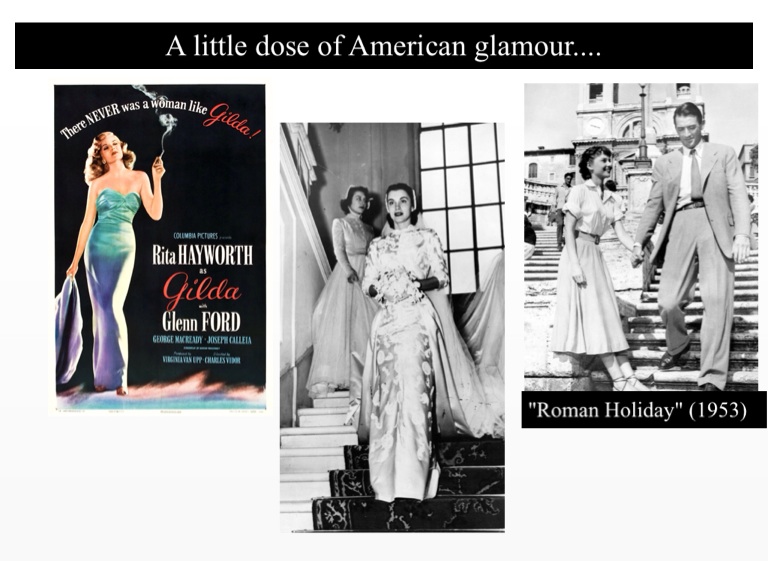
A little dose of American glamour....
"Roman Holiday" (1953)
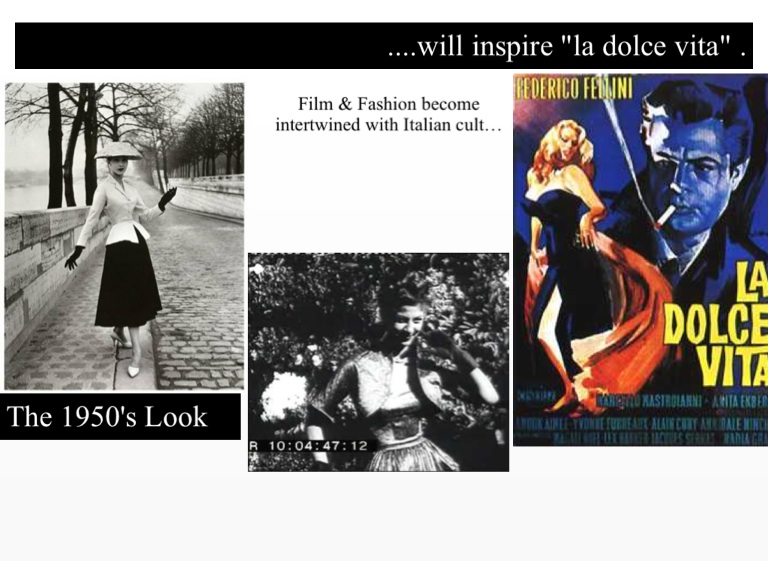
....will inspire "la dolce vita" .
Film & Fashion become intertwined with Italian culture.
The 1950's Look
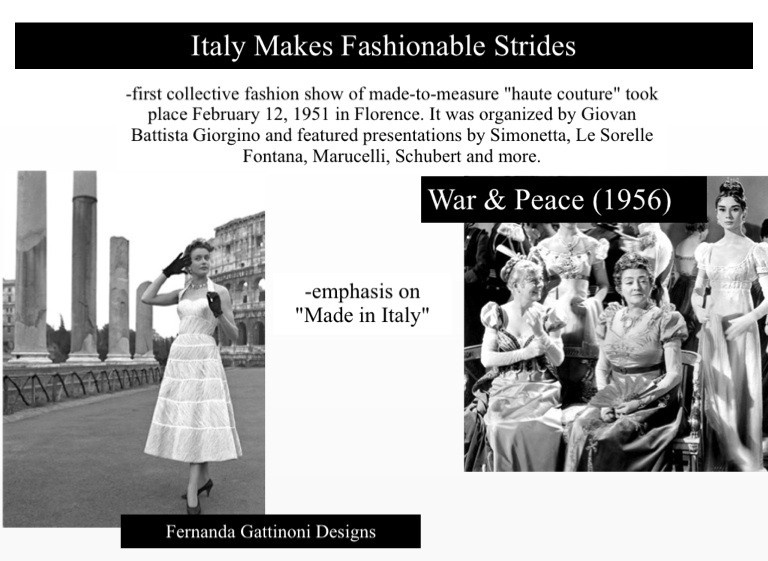
Italy Makes Fashionable Strides
-first collective fashion show of made-to-measure "haute couture" took place February 12, 1951 in Florence. It was organized by Giovan Battista Giorgino and featured presentations by Simonetta, Le Sorelle Fontana, Marucelli, Schubert and more.
War & Peace (1956)
-emphasis on "Made in Italy"
Fernanda Gattinoni Designs
"Here in Italy, glamour and elegance were born in the same historical moment, and still today they often overlap- just as they undoubtedly overlap with each other in the image people abroad have of a certain Italy" (Italian Vogue 1995)
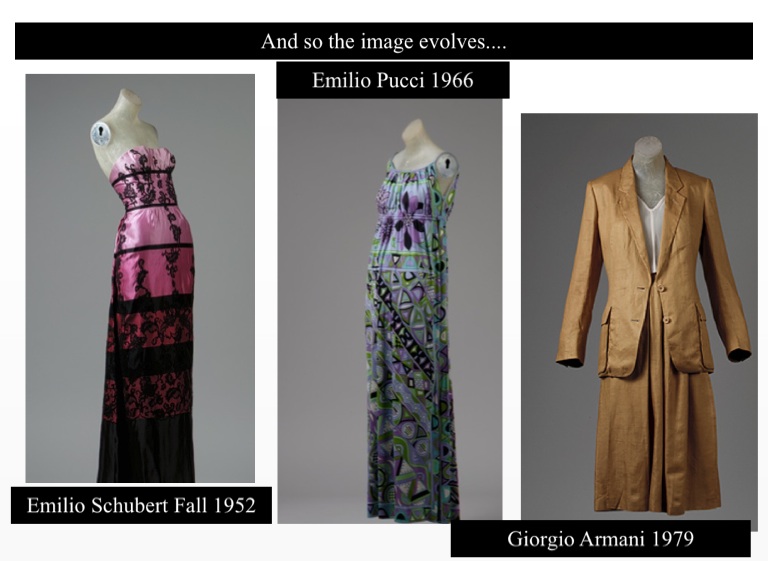
And so the image evolves....
Emilio Pucci 1966
Emilio Schubert Fall 1952
Giorgio Armani 1979
How did Italy finally establish "The Italian Look"?
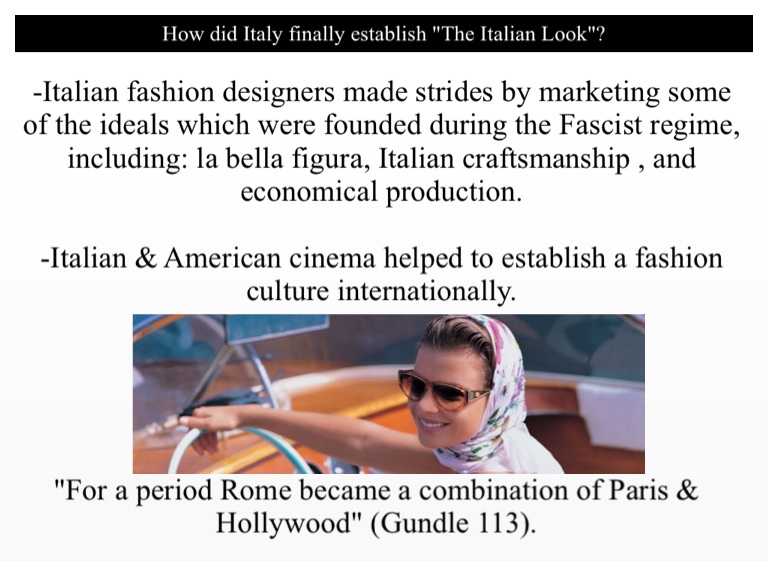
-Italian fashion designers made strides by marketing some of the ideals which were founded during the Fascist regime, including: la bella figura, Italian craftsmanship , and economical production. -Italian & American cinema helped to establish a fashion culture internationally.
"For a period Rome became a combination of Paris & Hollywood" (Gundle 113).
More to Note.....
Brand Timeline: Valentino- 1960's Missoni-60's to 70's Versace-70's to 80's Dolce & Gabbana-80's Prada-90's
- By the mid-1970's designers began to move their presentations to Milan, decisively making it Italy's fashion capital.
-From the end of the 60's the ready-to-wear industry becomes more popular (and profitable) than made-to-measure
And the beat goes on...
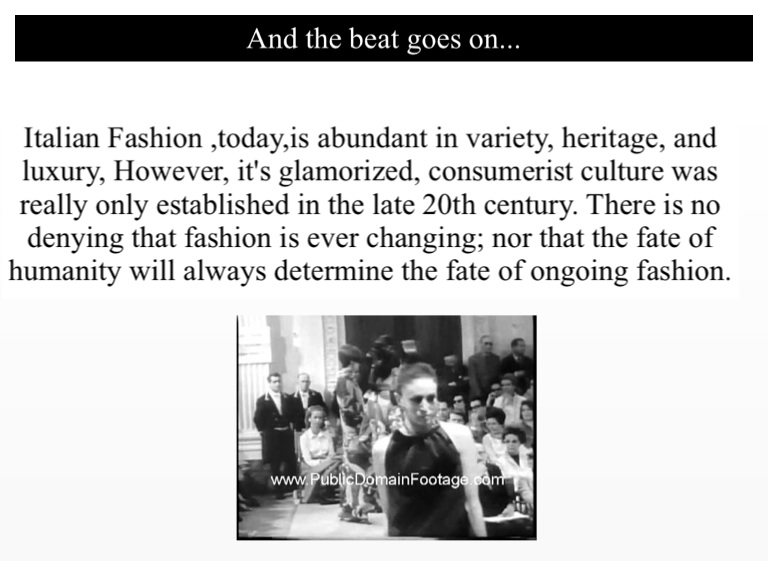
Italian Fashion ,today,is abundant in variety, heritage, and luxury, However, it's glamorized, consumerist culture was really only established in the late 20th century. There is no denying that fashion is ever changing; nor that the fate of humanity will always determine the fate of ongoing fashion.