Sign up for FlowVella
Sign up with FacebookAlready have an account? Sign in now
By registering you are agreeing to our
Terms of Service
Loading Flow

Downloading Image /
Downloading Image /
Downloading Image /

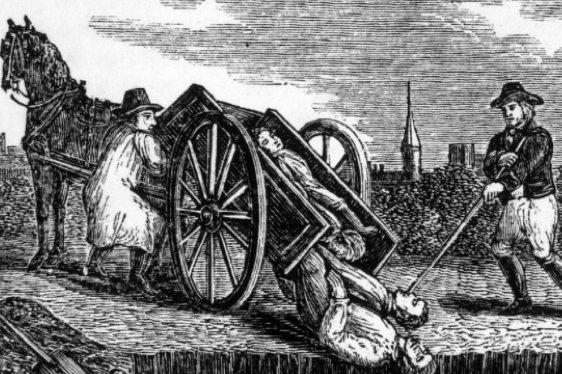

The Black Plague
Over the next five years, the mysterious Black Death would kill more than 20 million people in Europe–almost one-third of the continent’s population
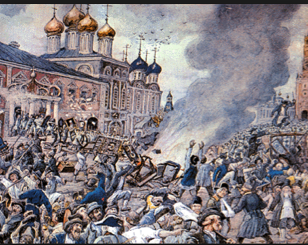
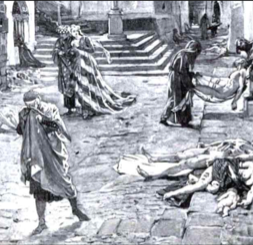
-The symptoms were not the same as in the East, where a gush of blood from the nose was the plain sign of inevitable death; but it began both in men and women with certain swellings in the groin or under the armpit. They grew to the size of a small apple or an egg, more or less, and were vulgarly called tumours. In a short space of time these tumours spread from the two parts named all over the body. Soon after this the symptoms changed and black or purple spots appeared on the arms or thighs or any other part of the body, sometimes a few large ones, sometimes many little ones.
-The Italian writer Giovanni Boccaccio lived through the plague as it ravaged the city of Florence in 1348. The experience inspired him to write The Decameron, a story of seven men and three women who escape the disease by fleeing to a villa outside the city. In his introduction to the fictional portion of his book, Boccaccio gives a graphic description of the effects of the epidemic on his city.
Downloading Image /
Downloading Image /
Downloading Image /



FlowVella, Previously Known As Flowboard
© 2026 FlowVella
 FlowVella