Sign up for FlowVella
Sign up with FacebookAlready have an account? Sign in now
By registering you are agreeing to our
Terms of Service
Loading Flow

Downloading Image /
Downloading Image /
Downloading Image /
Downloading Image /
Downloading Image /
Downloading Image /
Downloading Image /

Biological Evolution
The closest living relatives to the hedgehogs are the gymnures. Hedgehogs are thought to have changed very little in the past 15 million years. Like all insectivores, hedgehogs are considered to be relatively primitive among placental mammals.
Biological classification
Hedgehogs are said to be one of the oldest mammals on earth.
All species of hedgehog have evolved to react to their natural surroundings. This has led to hedgehogs in different environments to have different predators. Larger forest hedgehogs are more commonly hunted by owls, birds and ferrets. Smaller hedgehogs that exist in more open areas are hunted by foxes, wolves and weasels.
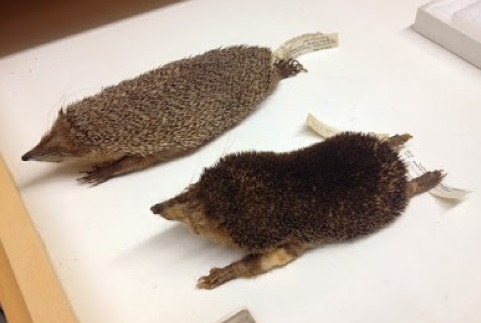
"Tenrecs at Berkeley’s Museum of Vertebrate Zoology, Own work"
Family: Erinaceidae
Genus: Atelerix
Scientific Name: Atelerix Albiventris
Type: Mammal
Diet: Omnivore
Size: 16-35cm (6-14in)
Weight: 1-2kg (2.2-4.4lbs)
Top Speed: 19km/h (12mph)
Life Span: 3-6 years
Lifestyle: Solitary
Conservation Status: Least Concern
"Information from a-z-animals.com/animals/hedgehog/"
Downloading Image /
Downloading Image /
Downloading Image /
Downloading Image /



FlowVella, Previously Known As Flowboard
© 2026 FlowVella
 FlowVella