Sign up for FlowVella
Sign up with FacebookAlready have an account? Sign in now
By registering you are agreeing to our
Terms of Service
Loading Flow

Downloading Image /
Downloading Image /
Downloading Image /
Downloading Image /
Downloading Image /
Downloading Image /
Downloading Image /
Downloading Image /
Downloading Image /
Downloading Image /
Downloading Image /
Downloading Image /
Downloading Image /
Downloading Image /
Downloading Image /
Downloading Image /
Downloading Image /
Downloading Image /
Downloading Image /
Downloading Image /
Downloading Image /
Downloading Image /
Downloading Image /
The Awakening themes
Readers and scholars have been discussing the novel’s themes for a hundred years, and their views vary widely.
Early critics condemned the book for its amoral treatment of adultery, and some readers today share that view. But from the 1960s on, most scholars and readers in the USA and many other nations have come to think of Kate Chopin as “the first woman writer in her country to accept passion as a legitimate subject for serious, outspoken fiction,” to cite the words of Per Seyersted, and they see Chopin as one of America’s essential authors.
Critics have been writing about Kate Chopin’s themes and subjects for a long time and they take varied approaches to her work:
• many focus on themes related to women’s search for selfhood, for self-discovery or identity;
• many also focus on women’s revolt against conformity, often against gender conformity or against social norms that limit
women’s possibilities in life;
• others write about women’s
understanding of feminine
sexuality or women’s
experience of motherhood,
pregnancy, or childbirth.
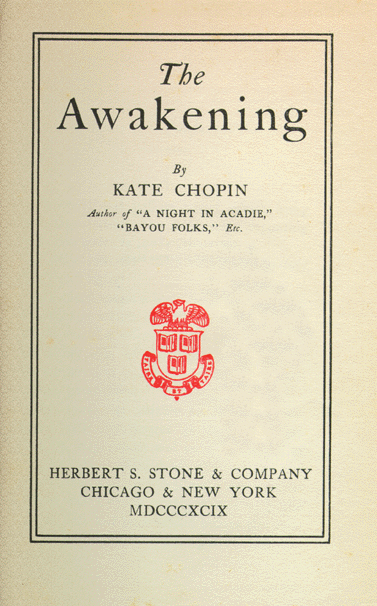
Realistically, one cannot study early feminism, or early feminists, without considering Kate Chopin. Like a voice crying out in the wilderness, she expressed herself in ways no other writer, male or female, could. Through Edna Pontellier, Kate Chopin immortalized the struggles woman faced when trying to find their own voices and their own, personal identities during a time culture, society, and men in particular, frowned upon any ideals that women could or should express their sexuality and strive to be anything more than housewives.
Downloading Image /
Downloading Image /
Downloading Image /
Downloading Image /
Downloading Image /
Downloading Image /
Downloading Image /
Downloading Image /
Downloading Image /
Downloading Image /
Downloading Image /
Downloading Image /
Downloading Image /
Downloading Image /
Downloading Image /
Downloading Image /
Downloading Image /



FlowVella, Previously Known As Flowboard
© 2025 FlowVella
 FlowVella