Sign up for FlowVella
Sign up with FacebookAlready have an account? Sign in now
By registering you are agreeing to our
Terms of Service
Loading Flow

Downloading Image /
Downloading Image /
Downloading Image /
Downloading Image /
Downloading Image /
Downloading Image /
Downloading Image /
Downloading Image /
Downloading Image /
Downloading Image /
Downloading Image /
Downloading Image /
Downloading Image /
Downloading Image /
Downloading Image /
Downloading Image /
Downloading Image /
Downloading Image /
Women in Art - Artemisia Gentileschi (1593-1652)
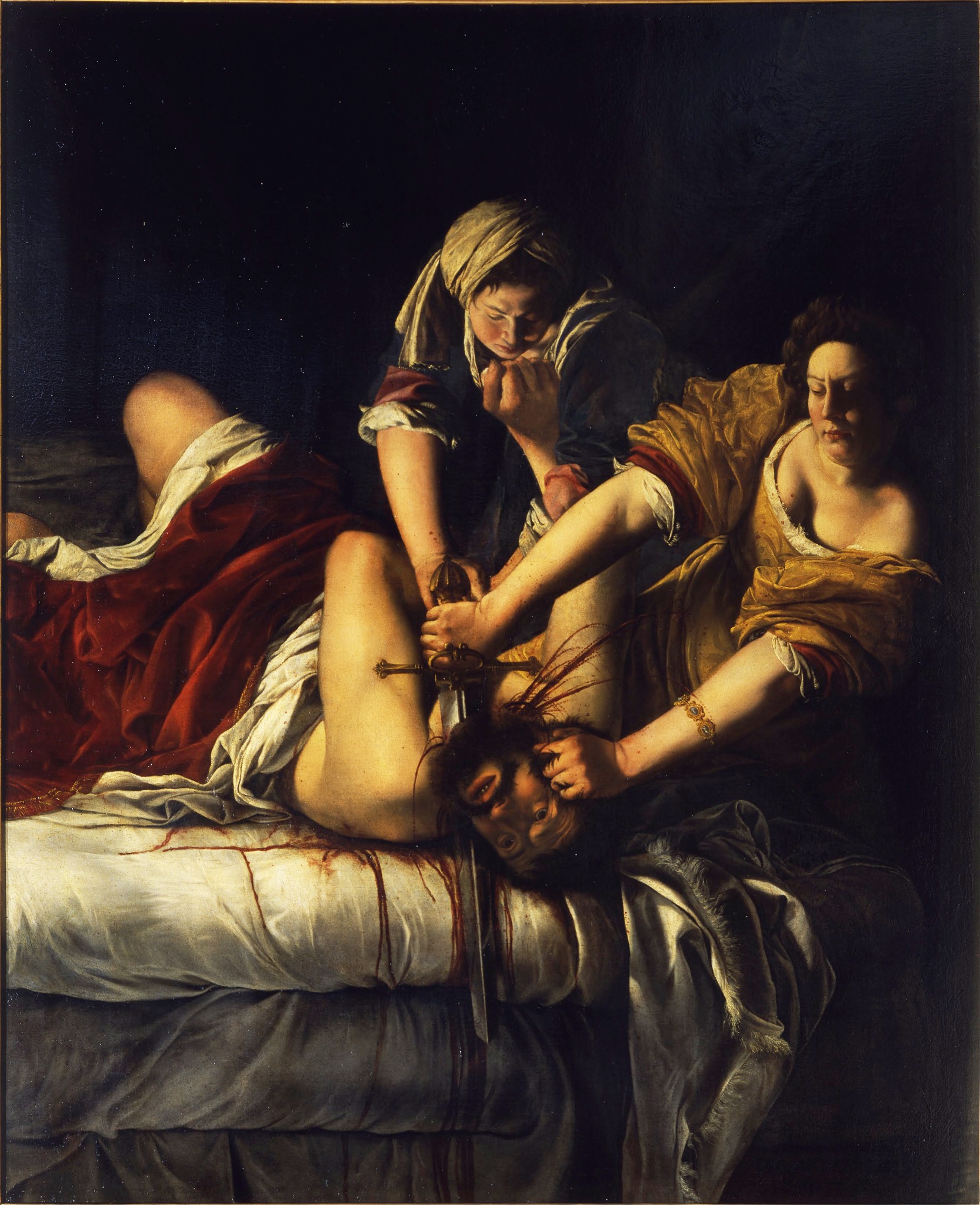
Artemisia was born in Rome and soon became one of the most accomplished followers of Caravaggio. She had been exposed to art at an early age and it was her father who provided and supported her artistic development. When further instruction was required for the study of perspective, a private tutor, Agostino Tassi was hired.
Artemisia is best known for her dark scenes of graphic violence. Feminist art historians have pointed out that perhaps these depictions of violence express violence which had been imposed upon her: at 19 years of age, Artemisia was allegedly raped by her instructor, Tassi. The trial which resulted was quite sensational and did more harm to Artemisia than to her assailant (she was tortured to verify her allegations but in the end Tassi was eventually acquitted).
One month after the trial, Gentileschi married and moved to Florence where she achieved considerable success and produced some of her finest paintings.
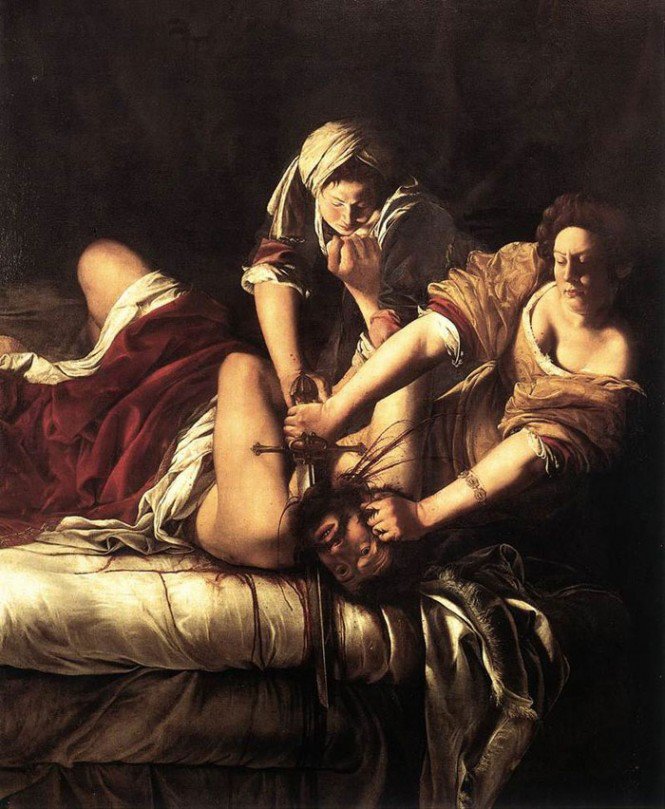
Artemisia's Judith and Holofernes has been little admired and much criticized. It has been described as "a dreadful picture."
Why should Artemisia's picture have been considered excessively violent when Caravaggio's equally violent art was often praised by critics? The answer is clear enough: her Judith offends because it presents a socially unacceptable violence, the murder of a man by women.
This chilling image has, in fact, been interpreted by some writers as Artemisia's imagined revenge against the man who raped her several years earlier.
Downloading Image /
Downloading Image /
Downloading Image /
Downloading Image /
Downloading Image /
Downloading Image /
Downloading Image /
Downloading Image /
Downloading Image /
Downloading Image /
Downloading Image /
Downloading Image /
Downloading Image /
Downloading Image /
Downloading Image /
Downloading Image /
Downloading Image /
Downloading Image /
Downloading Image /
Downloading Image /
Downloading Image /
Downloading Image /



FlowVella, Previously Known As Flowboard
© 2025 FlowVella
 FlowVella