










Blue baby syndrome
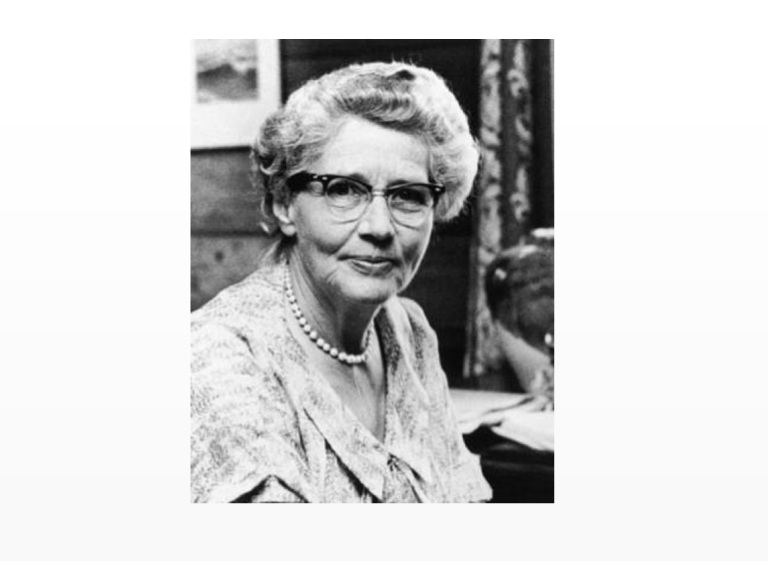
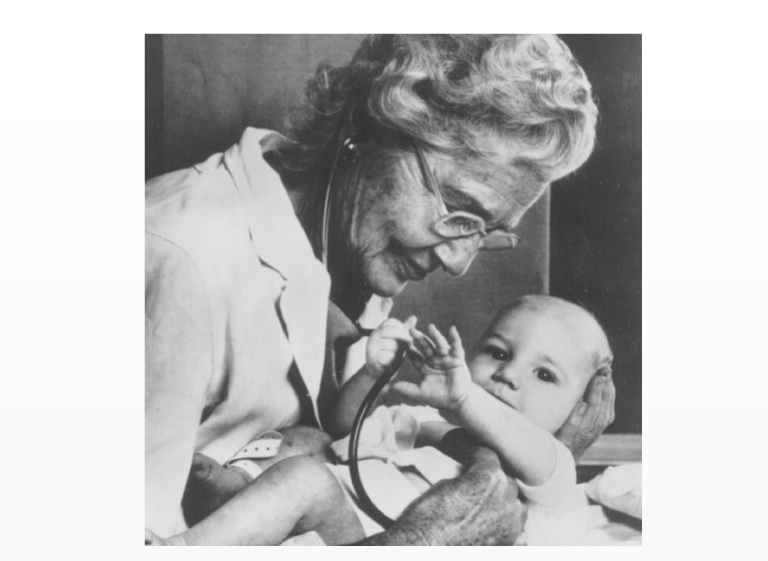
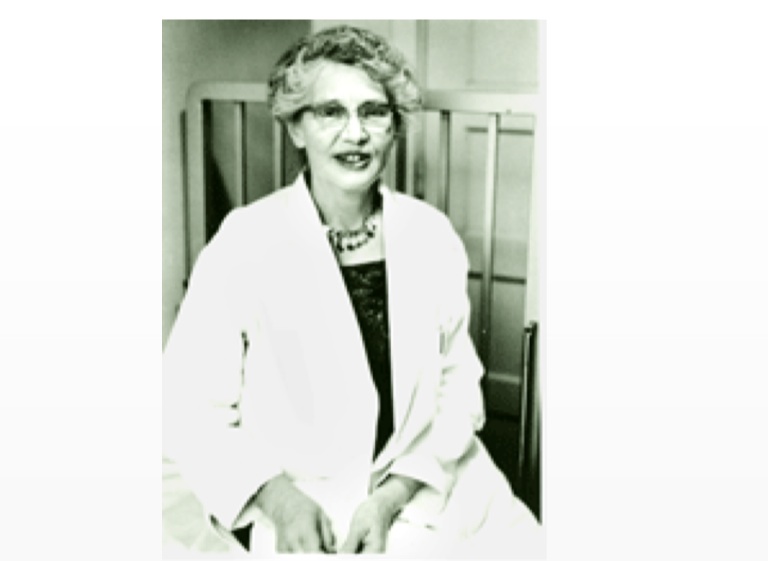
Helen B. Taussig
By: Shakura Meadows
Developed a concept for a procedure that would extend the lives of children born with Anoxemia aka blue baby syndrome.
Known as the founder of Pediatric cardiology.
Born May 24,1898 in Cambridge, Ma Died May 20,1986 in a car crash.
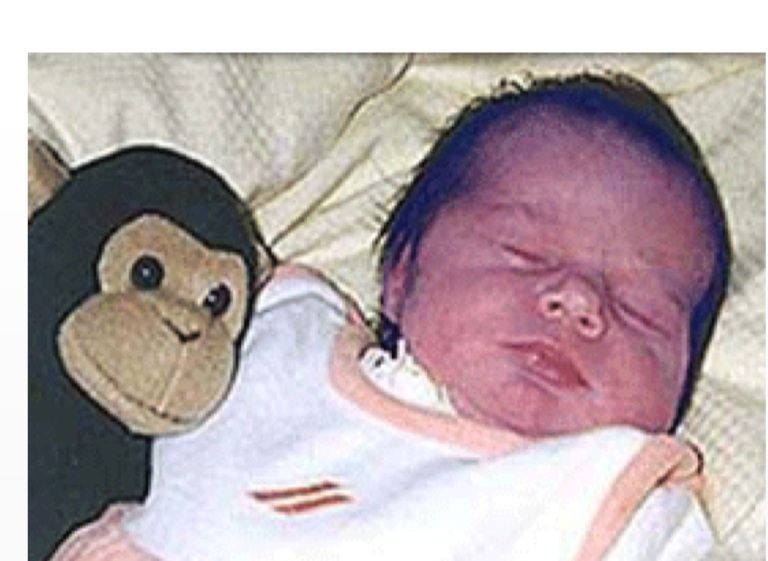
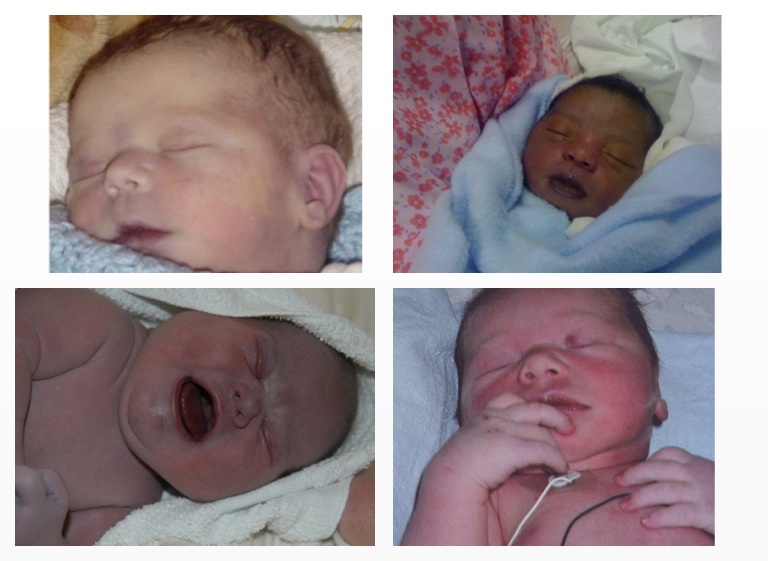
Blue baby syndrome occurs when newborns have cyanotic heart defects.
Taussig had Tuberculosis for several years, and struggled with severe dyslexia.
She studied histology, bacteriology, and anatomy at Harvard medical school and Boston University but wasn't allowed to earn her degree.
She completed 2yrs at Radcliff and then earned her bachelors degree from the University of California Berkeley in 1921.
In her histology class she wasn't allowed to speak to male classmates for fear of "contamination."
She completed her MD degree at Johns Hopkins University school of medicine in 1927.
Taussig began her medical career as the head of the rheumatic fever dept. She was then promoted to be the chief of the pediatrics department of Johns Hopkins, the Harriet lane home from 1930-1963.
In 1927-1930 she received two archibald fellowships for extraordinary achievement and potential.
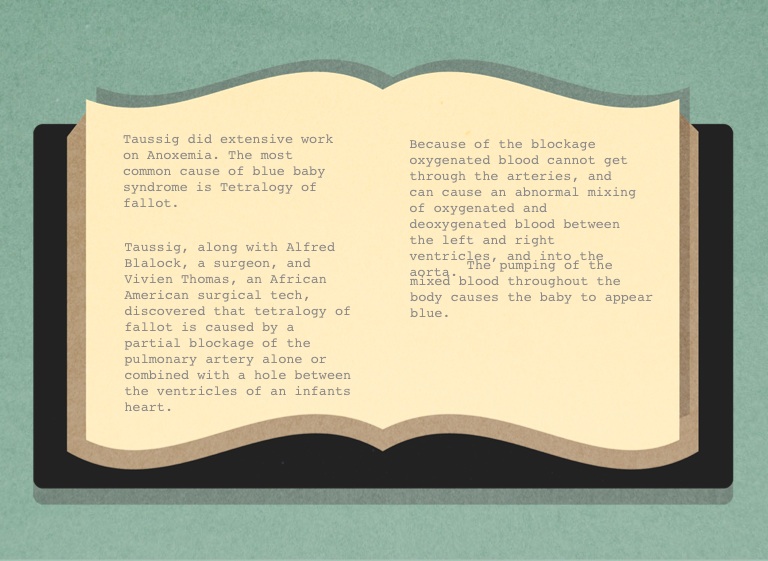
Taussig did extensive work on Anoxemia. The most common cause of blue baby syndrome is Tetralogy of fallot.
Because of the blockage oxygenated blood cannot get through the arteries, and can cause an abnormal mixing of oxygenated and deoxygenated blood between the left and right ventricles, and into the aorta.
Taussig, along with Alfred Blalock, a surgeon, and Vivien Thomas, an African American surgical tech, discovered that tetralogy of fallot is caused by a partial blockage of the pulmonary artery alone or combined with a hole between the ventricles of an infants heart.
The pumping of the mixed blood throughout the body causes the baby to appear blue.
Taussig and Blalock developed a way to fix the blockage. The Blalock-Taussig shunt.
In 1946 she also became an associate professor at Johns Hopkins school of medicine. In 1959 she was promoted to a full professor.
The first attempt of the surgery was performed on a dog. They began to perform the surgeries on babies in 1946.
In 1947 Taussig published her magnum opus, congenital malformations of the heart, which is considered to be the genesis of pediatric cardiology as an independent field.
Besides her work with blue baby syndrome she also worked to ban thalidomide. Thalidomide was a drug used to treat nausea in pregnant women.
Taussig also advocated for the use of animals in research, the legalization of abortion, and the benefits of palliative care and hospice.
She testified before congress that thalidomide had damaging effects on newborns after she worked with infants in Germany suffering for severe limb deformities. Because of her efforts it was banned in the US and Europe.
She pioneered the use if X-rays and fluoroscopy simultaneously to examine changes in a baby's heart and lungs in a less invasive way.
As she got older she became deaf and learned to use lip reading and hearing aids to speak to patients.
Taussig died in a car accident. When she died she was working in a genetic basis for certain congenital heart defects with avian hearts.
Taussig also began using her fingers to feel the rhythm of patients heartbeats rather than using a stethoscope because she could not hear.
Johns Hopkins university named the "Helen B. Taussig children's pediatric cardiac center" in her honor. The Johns Hopkins school of medicine named one of their four collages after her. The University of Gottingen named their cardiac clinic in her honor.