Sign up for FlowVella
Sign up with FacebookAlready have an account? Sign in now
By registering you are agreeing to our
Terms of Service
Loading Flow

Downloading Image /
Downloading Image /
Downloading Image /
Downloading Image /
Downloading Image /
Downloading Image /
Downloading Image /
Downloading Image /
Downloading Image /
Downloading Image /
Downloading Image /
Downloading Image /
Downloading Image /
Downloading Image /
Downloading Image /
Downloading Image /
Downloading Image /
Downloading Image /
Downloading Image /
Downloading Image /
Entropy
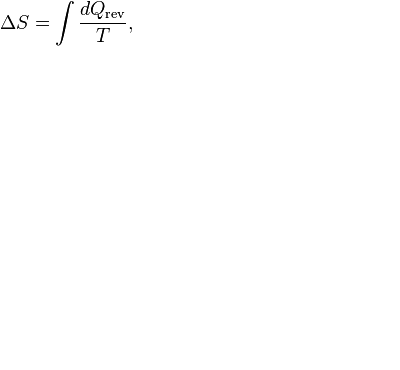
In thermodynamics, entropy (usual symbol S) is a measure of the number of specific ways in which a thermodynamic system may be arranged, commonly understood as a measure of disorder. According to the second law of thermodynamics the entropy of an isolated system never decreases; such a system will spontaneously evolve toward thermodynamic equilibrium, the configuration with maximum entropy. Systems that are not isolated may decrease in entropy, provided they increase the entropy of their environment by at least that same amount. Since entropy is a state function, the change in the entropy of a system is the same for any process that goes from a given initial state to a given final state, whether the process is reversible or irreversible. However irreversible processes increase the combined entropy of the system and its environment.
Downloading Image /



FlowVella, Previously Known As Flowboard
© 2025 FlowVella
 FlowVella