Sign up for FlowVella
Sign up with FacebookAlready have an account? Sign in now
By registering you are agreeing to our
Terms of Service
Loading Flow

Downloading Image /
A. Why was the monsoon season so important to farmers in the Indian River Basin?
During the Mauryan era merchants continued to use land routes, but they increasingly turned to the sea to transport their goods. Seaborne trade benefited especially from the rhythms of the monsoon winds that govern weather and the seasons in the Indian Ocean basin. During the spring and summer the winds blow from the southwest, and during the fall and winter they come from the northeast. Once mariners recognized these rhythms, they could sail easily and safely before the wind to any part of the Indian Ocean basin.
B. Describe the irrigation systems that were used in the basin.
From India, long-distance trade passed overland in two directions: through the Hindu Kush mountains and the Gandharan capital of Taxila to Persia and the Mediterranean basin, and across the silk roads of central Asia to markets in China. Cotton, aromatics, black pepper, pearls, and gems were the principal Indian exports, in exchange for which Indian merchants imported horses and bullion from western lands and silk from China.
C. Why was India’s population able to grow throughout the postclassical era?
As a result of productivity, Indian’s population grew throughout the post classical era. After the fall of the Gupta dynasty in 600 C. E. population was about 53 million. The population arose to 105 million by 1500. Because of h population increase urbanization occurred in large cities including Delhi, the capital.
Topic 1:
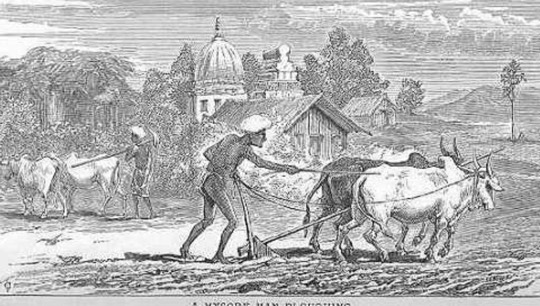
Agriculture
Monica Su
WHAP -1 Caussey
Downloading Image /
Downloading Image /
Downloading Image /



FlowVella, Previously Known As Flowboard
© 2026 FlowVella
 FlowVella