Sign up for FlowVella
Sign up with FacebookAlready have an account? Sign in now
By registering you are agreeing to our
Terms of Service
Loading Flow

Downloading Image /
Downloading Image /
Downloading Image /
Downloading Image /
Downloading Image /
Downloading Image /
05
The contrasting themes and traditions in Classical and Baroque Sculpture
07
R E G I O N
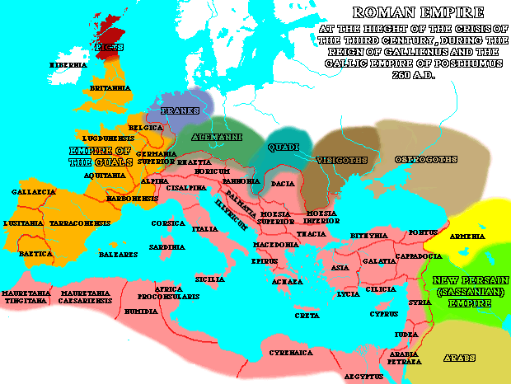
THE DIFFERENT REGIONS IN ROME
Roman empire industry/economy
For all of the glory and grandeur of Ancient Rome, the Roman economy never developed into anything terribly complex compared to modern economies. Ancient Rome was an agrarian and slave based economy whose main concern was feeding the vast number of citizens and legionaries who populated the Mediterranean region. Agriculture and trade dominated Roman economic fortunes, only supplemented by small scale industrial production.
Farmers could donate surplus crops to the government in lieu of a monetary tax. This system allowed both Republican and Imperial rulers to gain popularity with the masses through free grain distribution and also help to feed the legions at no direct monetary cost. Unfortunately it also left farmers with little incentive to increase productivity or output, since more crop translated to more taxes (and more free grain distributions). Citizens grew dependent on these grain doles and the large volume of trade that ensued. The need to secure grain providing provinces was one important, of many factors that would lead to the expansion and conquests of the Roman State.
While the production and transportation of foods dominated the trading industry, there was also a vast exchange of other goods from all parts of Europe, Asia, and Africa. The prosperity of the Empire and many of it citizens generated a need for luxurious and exotic imports. Silks from China and the Far East, cotton and spices from India, Ivory and wild animals from Africa, vast amounts of mined metals from Spain and Britain, fossilized amber gems from Germany and slaves from all over the world discovered that all roads did indeed "lead to Rome."
Downloading Image /
Downloading Image /



FlowVella, Previously Known As Flowboard
© 2025 FlowVella
 FlowVella