Sign up for FlowVella
Sign up with FacebookAlready have an account? Sign in now
By registering you are agreeing to our
Terms of Service
Loading Flow

Downloading Image /
Downloading Image /
Downloading Image /
Downloading Image /
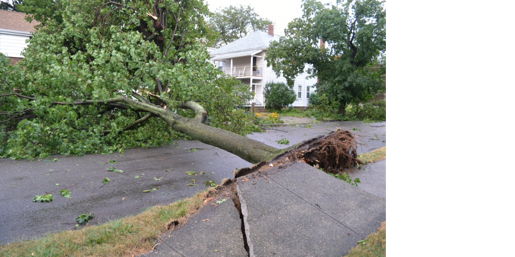
What to do in the aftermath
Because a downburst can cause the same type of damage that a tornado or other severe windstorm can, it’s important to take the same type of safety measures after the storm has passed. Note that fifty percent of tornado-related injuries are suffered during rescue attempts, cleanup and other post-tornado activities with nearly one-third of those injuries from stepping on nails. That means use the same caution after a downburst. So when entering a damaged structure put on sturdy shoes or boots, and wear long sleeves and gloves when traipsing through or touching debris. Be aware that there may be structural, electrical or gas leaks in your home. If so, contact your local city or county building inspectors. The Federal Emergency Management Agency says that, “in general, if you suspect any damage to your home, shut off electrical power, natural gas and propane tanks to avoid fire, electrocution or explosions.” Shut off your electricity by using the main circuit breaker if there is frayed wiring or you see sparks, or any possible signs of burning. Leave your house immediately if you smell gas or suspect a gas leak. Call as soon as possible your local gas company, police or fire department, or the State Fire Marshal’s office. Make sure you clean up after any medicines, drugs, flammable liquids or other potentially hazardous materials that may have spilled during the strong winds.
Downloading Image /
Downloading Image /
Downloading Image /



FlowVella, Previously Known As Flowboard
© 2025 FlowVella
 FlowVella