Sign up for FlowVella
Sign up with FacebookAlready have an account? Sign in now
By registering you are agreeing to our
Terms of Service
Loading Flow

Downloading Image /
Downloading Image /
Downloading Image /
Downloading Image /
Downloading Image /


Ziggurat- a rectangular stepped tower, sometimes surmounted by a temple. Ziggurats are first attested in the late 3rd millennium BC and probably inspired the biblical story of the Tower of Babel


The importance of a ziggurat is to have a building for different social class.anglicized form of the Akkadian word ziqqurratum, the name given to the solid stepped towers of mud brick. It derives from the verb zaqaru, ‘to be high'.
The ziggurat was part of the religious architecture found at the centre of Mesopotamian settlements and was probably a feature of most cities after c.2000 B.C. Millions of sun-dried mud bricks were used in their construction. Layers of bricks were often separated by layers of reeds, perhaps helping to spread the load or allow drainage. Baked bricks and bitumen were used to protect the exterior from rain and wind. In Babylonia ziggurats had a shrine on the top-most stage but it has been suggested that in Assyria there were no buildings on the summit.
Cuneiform texts from 2100 B.C. onwards refer to temples with seven storeys, and are described as being like mountains linking earth and heaven. However, depictions on cylinder seals, boundary stones, stone reliefs and clay tablets show buildings with either four or five storeys. Some of the seals date to the mid-third millennium B.C. which shows that the idea of a ziggurat predates the best known and best preserved example at Ur (c.2100 B.C.).
2
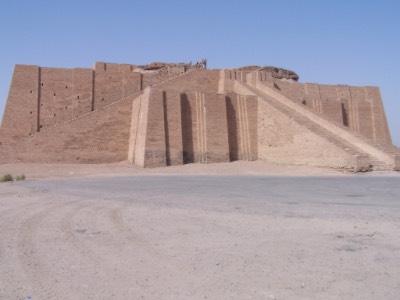
Ziggurat
Downloading Image /
Downloading Image /
Downloading Image /



FlowVella, Previously Known As Flowboard
© 2026 FlowVella
 FlowVella