Sign up for FlowVella
Sign up with FacebookAlready have an account? Sign in now
By registering you are agreeing to our
Terms of Service
Loading Flow

Downloading Image /
Light microscopes
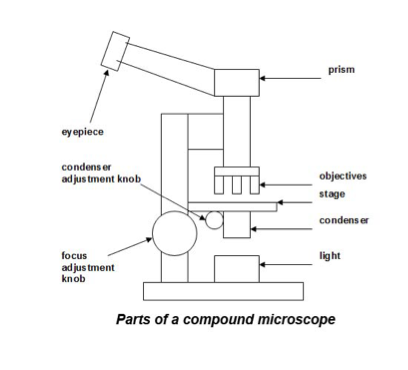
Resolution: The resolution of the light microscope is limited because of then diffraction of lights some smaller specimens have some features smaller then the wavelength of the radiation used (light.) As they do not interrupt or change the waves they are not detected or seen this resolution is around 200nm
Pros:
-Easier to move and set up
-Can use live specimens and therefore observe living functions and processes.
-Uses a less dangerous form of radiation
-only microscope for real colour imaging
Cons:
- lower resolution
-specimens need to stained so the colour of the original specimen maybe altered
-lower magnification
Suitable for:
-Schools
-simple collage lab work
As school students do not need to view stuff in so much detail and expensive equipment would be impractical also the the study of process is easier under light microscopes as the specimen is alive
Evaluate uses and effectiveness: The microscope is effective as a useful tool in observing the structure of organisms in a simple way. It is good for getting a general picture although does not go into much detail.
The light rays pass through the specimen after being focused by the condenser lens. The rays are gathered by the objective lens, which can often be altered. The oracular lens or eye piece magnifies the image so it can be viewed, enlarged, by the observer.
Downloading Image /
Downloading Image /
Downloading Image /



FlowVella, Previously Known As Flowboard
© 2026 FlowVella
 FlowVella