Sign up for FlowVella
Sign up with FacebookAlready have an account? Sign in now
By registering you are agreeing to our
Terms of Service
Loading Flow

Downloading Image /
Downloading Image /
Downloading Image /
Downloading Image /
Downloading Image /
Compensation, Immunities, and Disabilities of Members:
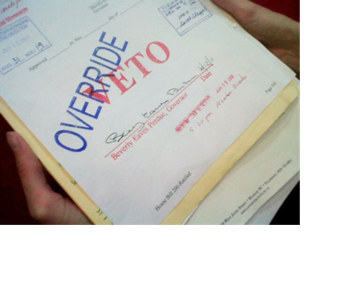
(Clause 2) Enactment of Laws: Once both houses have passed a bill, it must be sent to the president. The president may 1, sign the bill, thus making it law. 2, veto the bill, where it must be returned to the house in which it originated. Or 3, allow the bill to become law without signature, by not acting upon it within 10 days of its receipt from congress, not counting Sundays. The president also has a 4th option. If he does not act on a measure within 10 days, and congress adjourns during that period, the bill dies.
Revenue Bills, Presidents veto
(Clause 1) Revenue bills: All bills that raise money must originate in the house. However, the senate has the power to amend any revenue bill sent to it from the lower house.
Salaries: Each house sets it's members salaries, paid by the US; the 27th amendment modified this pay-setting power. This provision establishes "legislative immunity." The purpose of this immunity is to allow members to speak and debate freely in congress itself.
Downloading Image /
Downloading Image /
Downloading Image /
Downloading Image /
Downloading Image /



FlowVella, Previously Known As Flowboard
© 2026 FlowVella
 FlowVella