Sign up for FlowVella
Sign up with FacebookAlready have an account? Sign in now
By registering you are agreeing to our
Terms of Service
Loading Flow

Downloading Image /
Downloading Image /
Body Paragraph 1
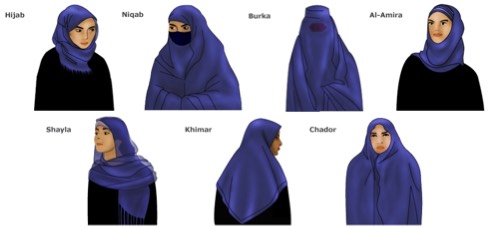
This image shows the seven different styles to wear the veil. They each have different purposes and meanings. The Arabic word for veil is Hijab. It can have many different colors and patterns. It is the most common veil in the west. Next it shows the Niqab, which covers everything except for the eyes. The Burka comes next, which is the most concealing veil in the faith, consisting of only a mesh screen to see through. This is typically worn by Taliban women. The Al-Amira is a two-piece veil with a cap and a separate tube-like scarf. The Shayla is a scarf that is wrapped around the head and pinned at the shoulders. The Shayla is popular in the Gulf region. The Khimar is a cape-like veil that leaves the face open. The Chador is a popular Iranian veil worn by women outside the house. It is a full body cloak. The different veils are worn in different regions. In Persepolis, Marjane and her classmates are forced to wear the Chador to school. The benefit to Marjane with the Chador is that it is all one piece and their face is not covered, unlike the other veils. In America, girls have the opportunity to express themselves through hairstyles and clothing that are unique to them. In Iran, girls do not get this same opportunity, as the veil covers their hair and clothes. To some, this is liberating from having to choose something different to wear everyday. To others, it takes away their individual sense of expression. To young girls, expression is an important part of growing up. Without this sense of expression, it can be damaging to their development and overall personality. Since the inception of the veil, (around 13 B.C.), the issue of expression was not considered because the effects were not known and it was not easy to express yourself due to lack of clothing materials. Having the ability to express oneself can help a woman to make better decisions about themselves (McVicker, Idelette). The Muslim men are using a thousand year old tradition to further suppress the women. The only purpose of the veil currently, is to carry out these age old traditions.
Downloading Image /
Downloading Image /
Downloading Image /
Downloading Image /
Downloading Image /



FlowVella, Previously Known As Flowboard
© 2025 FlowVella
 FlowVella