Sign up for FlowVella
Sign up with FacebookAlready have an account? Sign in now
By registering you are agreeing to our
Terms of Service
Loading Flow

Downloading Image /
Downloading Image /
Downloading Image /
Downloading Image /
Downloading Image /
Downloading Image /
Downloading Image /
Downloading Image /
Downloading Image /
Downloading Image /
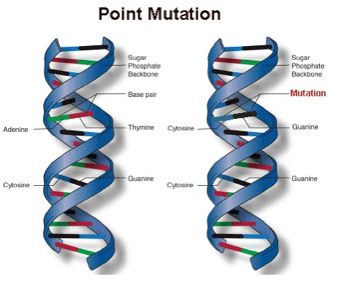
What first happened was that there was a random genetic mutation for any of the adaptations in the first generation. This genetic mutation for example longer limbs was going to help the polar fomentin have a higher chance of survival and would therefore have more chance to reproduce and pass on the mutation. In the second generation The mutation of longer limbs would start growing in the population because more animals with this adaptation would have a better chance to survive and the ones with shorter limbs would have less chance to survive therefore not reproducing and not passing on their traits. The mutation would create variation and more polar fomentin's would be born with longer limbs. In the third generation more polar fomentin's would have This mutation and by now it would become more common. Until generations later all if not most of the polar fomentin's would be born with this new trait. happened because of selection and how the best traits will always have a better chance to be passed down to the next generation.
Downloading Image /
Downloading Image /
Downloading Image /
Downloading Image /
Downloading Image /
Downloading Image /



FlowVella, Previously Known As Flowboard
© 2026 FlowVella
 FlowVella