Sign up for FlowVella
Sign up with FacebookAlready have an account? Sign in now
By registering you are agreeing to our
Terms of Service
Loading Flow

Downloading Image /
Downloading Image /
Downloading Image /
Downloading Image /
Downloading Image /
3. engage Families
throughout the school year
Integrate special traditional celebrations in instruction, invite heritage parents to be experts for the class to support cultural appreciation, and include multicultural experiences in school-wide events such an art or cultural night (Lundgren & Lundy-Ponce, 2016).
Create a database to capture what families can do in terms of volunteering, skill sharing, or service to the class and school and utilize it regularly (Valls & Kyriakides, 2013).
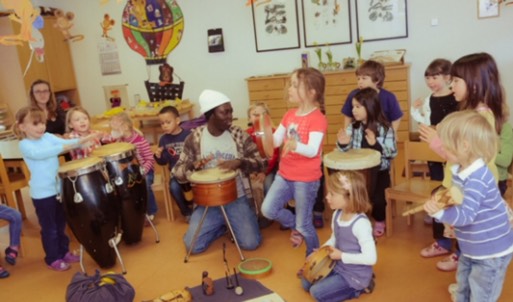
Ask a parent or family member to come to the classroom and be a part of the learning environment. It creates a feeling of inclusion.
Create an environment that welcomes the sharing of ideas both in the classroom and as part of the school community.
Ideas
1. Every other month invite families to participate in a classroom activity or lesson. Alternate between day and evening options.
2. Create a parent advocacy group with classroom or same grade level families to build a supportive network. Provide a place at the school for the group to meet quarterly, establish ways for them to communicate on a regular basis outside of meetings, and work with the group to determine what needs and wants are or are not being met. Collaborate and problem-solve together.
3. At least four times during the school year invite families to read, sing, or dance with students in your classroom. Encourage them to share literature, storytelling, music, and dances from their native languages and cultures.
*Keep in mind that families may not be able to come during the school day due to work schedules or mobility issues, so provide additional opportunities for engagement. Examples may include something such as making smocks for the classroom paint station or flash cards with pictures and words from their native language that can be shared with the class (Miller, 2013).
Downloading Image /
Downloading Image /
Downloading Image /
Downloading Image /
Downloading Image /



FlowVella, Previously Known As Flowboard
© 2026 FlowVella
 FlowVella