Sign up for FlowVella
Sign up with FacebookAlready have an account? Sign in now
By registering you are agreeing to our
Terms of Service
Loading Flow

Downloading Image /
Downloading Image /
Downloading Image /
Downloading Image /
Downloading Image /
Downloading Image /
Downloading Image /




Desert Horned Viper- Cerastes cerastesis
Africa


dessert horned viper: like all snakes, preys primarily on lizards but also on mammals and birds that inhabit its arid environment.
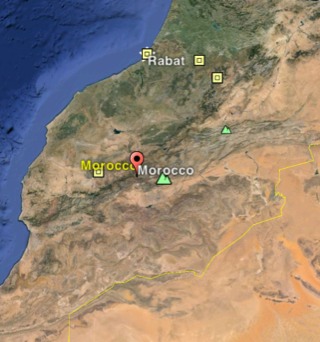
Morocco: this species typically breeds during the first few weeks of April. Mating is generally observed during the first week of April and always occurs while buried under the sand. It is unknown whether these snakes breed annually. Cerastes cerastes generally has anywhere from 8 to 23 eggs, usually under rocks or in abandoned burrows of reptiles and mammals. The young hatch after a 50 to 80 day incubation period.
Moraco
Desert Horned Viper-
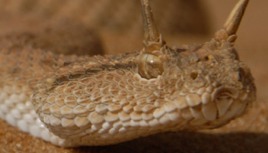
This snake has horns that can fold against its eyes to protect it against sand.
The snake's scales are center-ridged so they scrape up the morning dew, providing the snake with a minimal water source.
The snake's horns also give its head an irregular silhouette, which provides camouflage.
Downloading Image /
Downloading Image /



FlowVella, Previously Known As Flowboard
© 2025 FlowVella
 FlowVella