Sign up for FlowVella
Sign up with FacebookAlready have an account? Sign in now
By registering you are agreeing to our
Terms of Service
Loading Flow

Downloading Image /
Downloading Image /
Downloading Image /
Downloading Image /
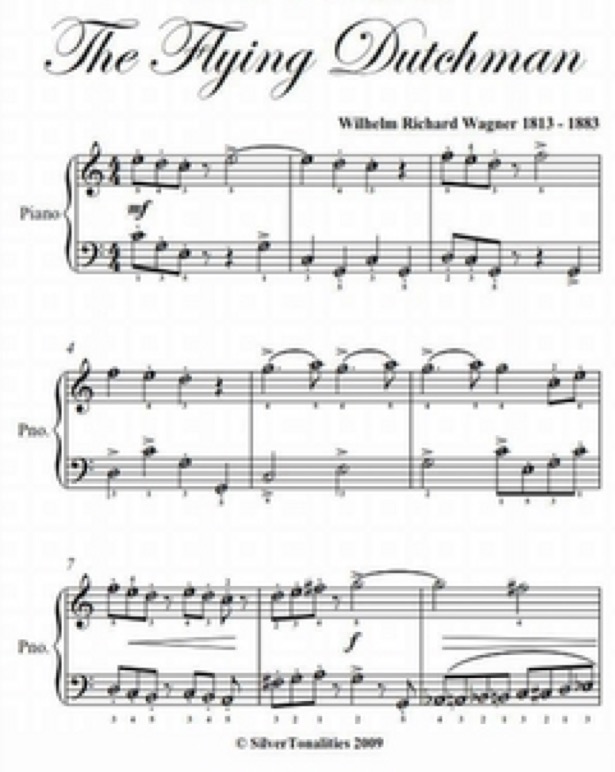
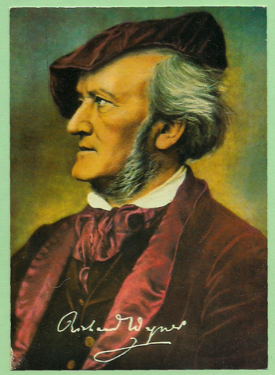
Rovi Staff, biographer of Richard Wagner, claims “Richard Wagner was one of the most revolutionary figures in the history of music, a composer who made pivotal contributions to the development of harmony and musical drama that reverberate even today” (allmusic.com). Opera and drama performance was widely popular during the romantic period and Wagner believed when it came to opera “the bigger, the better” (allmusic.com). His opera’s flung him into immense popularity and changed music through works such as “The Flying Dutchman”, “Siegfried” and “Tristan and Isolde” (all music.com).
Wagner had the flare for drama not only in his work but also in his life. As a German conductor and composer, Wagner had sympathies for the revolutions to the point that he was forced to leave Germany for fifteen years. When he returned to Germany he constructed an opera house to his specifications to enhance the drama of his performances. Wagner was embraced by the public for his work, including in later days by Adolf Hitler. Wagner changed the way music was perceived and enjoyed (allmusic.com).
(Play a scene of the opera “Tristan and Isolde” by clicking on the picture.)
Richard Wagner

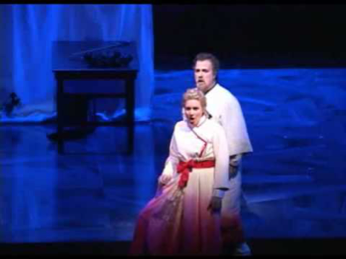
Tristan and Isolde
Downloading Image /
Downloading Image /
Downloading Image /
Downloading Image /
Downloading Image /



FlowVella, Previously Known As Flowboard
© 2026 FlowVella
 FlowVella