Sign up for FlowVella
Sign up with FacebookAlready have an account? Sign in now
By registering you are agreeing to our
Terms of Service
Loading Flow

Downloading Image /
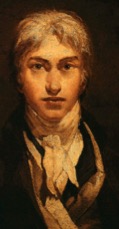
Joseph Mallord William Turner
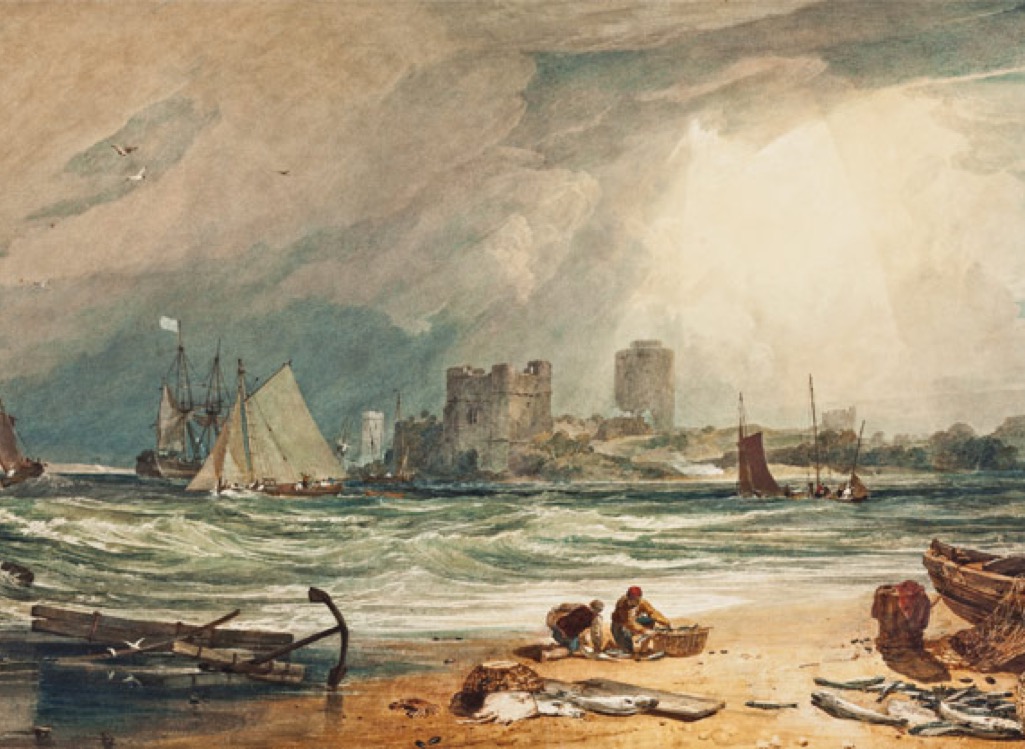
Joseph Mallord William Turner was a visual artist of the Romantic period that focused on nature. Turner used oils in his paintings but was well known for the watercolors he used in his creations. Turner was born in London, England to a barber and wig maker as a father and a mother who battled with mental issues due to her daughter committing suicide a few years after being committed to an asylum. Turner was a youth when this occurred and was sent to live with an Uncle where his interest in art began. According to the Williams-Turner organization “Although renowned for his oils, Turner is also one of the greatest masters of British watercolour landscape painting. He is commonly known as "the painter of light” (William-turner.org). During the romanticism period many artists focused on nature and how humans and light existed within nature. Turner’s experience growing up in the country of England gave him the inspiration to paint his surroundings and capture the light and colors in landscapes. He was most fascinated by storms and even had someone tie him to the deck of a ship during a storm so he could understand what it looked and felt like (william-turner.org).
One of his famous paintings includes, “Pembroke Castle, South Wales: Thunder Storm Approaching” (William-turner.org). Turner is a great representation of a visual artist of the Romantic period because he focused on nature and the beauty and mystery that the world around us presents each day through his landscapes and stormy paintings. “The Chancel and Crossing of Tintern Abbey, Looking Towards the East Window”, by JMW Turner, 1794. Tintern Abbey was a monastery founded in 1131 and rebuilt in the 13th century. Abandoned in 1536, it was left to decay for two centuries. Artist Joseph Mallord William Turner paid two visits to the site, and it inspired him to paint this piece which juxtaposes the smallness of man alongside and wildness of nature, the unstoppable power of which has reclaimed this man-made edifice” (artofmanliness.org). Turner remained very close to his father and when his father passed Turner suffered depression. Turner never married but had two daughters and died in the home of his mistress (Williams-turner.org).
Downloading Image /
Downloading Image /
Downloading Image /
Downloading Image /
Downloading Image /
Downloading Image /
Downloading Image /
Downloading Image /



FlowVella, Previously Known As Flowboard
© 2026 FlowVella
 FlowVella