Sign up for FlowVella
Sign up with FacebookAlready have an account? Sign in now
By registering you are agreeing to our
Terms of Service
Loading Flow

Downloading Image /
Downloading Image /
Downloading Image /
Downloading Image /
Downloading Image /
Downloading Image /
Nonmetal Slide
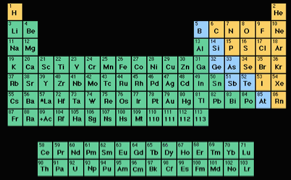
<-- The yellow consists of the nonmetals
Nonmetals consist of:
-Hydrogen ( H )
-Carbon ( C )
-Nitrogen ( N )
-Phosphorus ( P )
-Oxygen ( O )
-Sulphur ( S )
-Selenium ( Se )
-Fluorine ( F )
-Chlorine ( Cl )
-Bromine ( Br )
-Iodine ( I )
-Astatine ( At )
-Helium ( He )
-Neon ( Ne )
-Argon ( Ar )
-Krypton ( Kr )
-Xenon ( Xe )
Radon ( Rn )
Most of your body's mass is oxygen, carbon, hydrogen, nitrogen, and phosphorus.
Nonmetals are brittle solids or gases at room temperature.
Hydrogen is a highly reactive nonmetal
Nonmetals are in fact:
-NOT malleable
-NOT ductile
-NOT reactive
-NOT luster
-poor conductors
Nonmetals have 4-8 electrons in their outer shell.
Nonmetals tend to gain electrons while bonding
Nonmetals tend to become negative
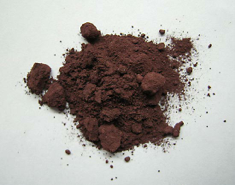
Nonmetals are located in groups 1, & 14-18
Downloading Image /
Downloading Image /
Downloading Image /



FlowVella, Previously Known As Flowboard
© 2025 FlowVella
 FlowVella