Sign up for FlowVella
Sign up with FacebookAlready have an account? Sign in now
By registering you are agreeing to our
Terms of Service
Loading Flow

Downloading Image /
Downloading Image /
Downloading Image /
Downloading Image /
Downloading Image /
Downloading Image /
Downloading Image /
Downloading Image /
Downloading Image /
Downloading Image /
Downloading Image /
Downloading Image /
Downloading Image /
Downloading Image /
Downloading Image /
Downloading Image /
Downloading Image /
Downloading Image /
Downloading Image /
Downloading Image /
Downloading Image /
Downloading Image /
Downloading Image /
Downloading Image /
Downloading Image /
Downloading Image /
Downloading Image /
Downloading Image /
Downloading Image /
Define Inelastic Collision.
"...of the colliding bodies or particles is not the same after the collision as it was before.." -Dictionary.com
Okay. Elastic Collision is the intersection of two objects and having the effect of bouncing one off and another with the addition of having the same kinetic energy being conserved. Now what about inelastic collisions?
Well to define Inelastic collisions is the contrast of elastic collisions. In contrast, it's a collision where the kinetic energy is not conserved at all due to the action of internal friction between the two selected objects.
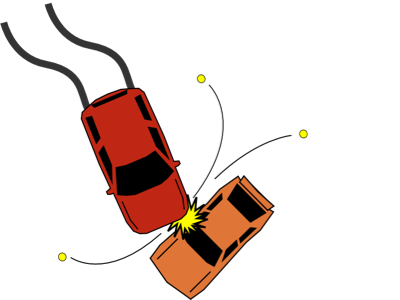
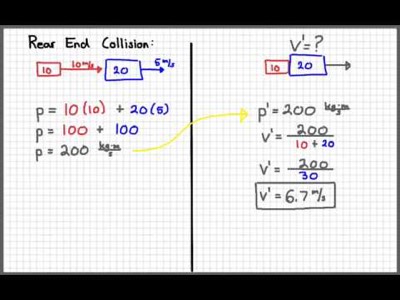
How about an example? Well, let's think of a car crash like the picture you see on the top left part of this slide. Car crashes occur when one of the drivers are not driving exactly normal due to distractions, blind spots and so much more. When the vehicles collide with one and another, the cars don't bounce off. Nope. In result, the two cars stick to each other with both of their masses added together.
http://www.themcclungs.net/physics/download/H/Momentum/ElasticCollisions.pdf

Video

Article Source:
Downloading Image /
Downloading Image /
Downloading Image /
Downloading Image /
Downloading Image /
Downloading Image /
Downloading Image /



FlowVella, Previously Known As Flowboard
© 2026 FlowVella
 FlowVella