Sign up for FlowVella
Sign up with FacebookAlready have an account? Sign in now
By registering you are agreeing to our
Terms of Service
Loading Flow

Downloading Image /
Downloading Image /
Downloading Image /
Downloading Image /
Downloading Image /
Downloading Image /
The now liquified "food" moves into the small intestine where more digestive juices are added. It breaks down the food even more. A digestive juice such as bile (breaks down the fat) made by the pancreas and liver is added. It is stored in the gall bladder until it is needed. Pancreas produces more digestive juices that break down carbohydrates, fat, and protein.
The small intestine adds even more digestive juices to the food, and it breaks down nutrients into smaller and simpler forms.
Small Intestine
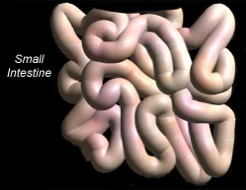
The small intestine takes in the nutrients through a process called absorption. The small intestine has small bumps called villi that suck up the nutrients. To reach the blood, the nutrients goes through the small intestine walls, and into the blood vessels. Then, the nutrients flows into the circulatory system. The (still) undigested food goes on into the large intestine.
Downloading Image /
Downloading Image /
Downloading Image /
Downloading Image /
Downloading Image /
Downloading Image /
Downloading Image /
Downloading Image /
Downloading Image /
Downloading Image /
Downloading Image /
Downloading Image /
Downloading Image /
Downloading Image /
Downloading Image /



FlowVella, Previously Known As Flowboard
© 2026 FlowVella
 FlowVella