Sign up for FlowVella
Sign up with FacebookAlready have an account? Sign in now
By registering you are agreeing to our
Terms of Service
Loading Flow

Downloading Image /
Introduction/Background Information
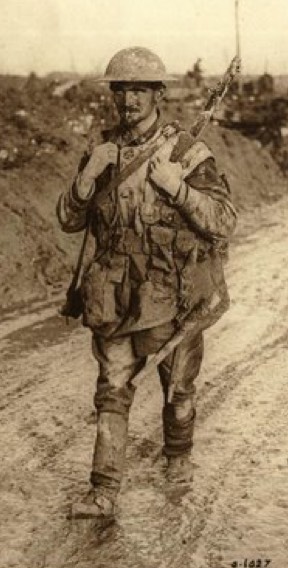
A War Like No Other
World War One was fought on a scale that has never been experienced. At the Battle of Waterloo in 1815, the main infantry weapon was the muzzle-loading musket, which fired at a rate of four bullets per minute. Insane, yes!
At the Battle of Somme, the main infantry weapon was the machine gun, which allowed gunners to fire 600 rounds of bullets in one minute. Mind Blowing!
The environment of the battle grounds had infected the injuries of many soldiers. If the battle ground was on a farmland fertilized by manure, this could cause the wounds of soldiers to become infected.
Faced with this new challenge, new equipment and techniques of medicine must be created. This process would take four years, which would help save thousands of lives.
Downloading Image /
Downloading Image /
Downloading Image /
Downloading Image /
Downloading Image /
Downloading Image /
Downloading Image /
Downloading Image /
Downloading Image /
Downloading Image /



FlowVella, Previously Known As Flowboard
© 2026 FlowVella
 FlowVella