Sign up for FlowVella
Sign up with FacebookAlready have an account? Sign in now
By registering you are agreeing to our
Terms of Service
Loading Flow

Downloading Image /
Downloading Image /
Downloading Image /
Downloading Image /
Downloading Image /
Technological Innovation
Speed of Treatment
Marie Curie believed that X-Rays could save the lives' of soldiers because this would allow the doctors to be able to see bullets, shrapnel, and broken bones.
By late October 1914, the first of 20 radiology vehicles she would equip was ready. French enlisted men would soon dub these mobile radiology installations, which transported X-ray apparatus to the wounded at the battle front.
“The use of the X-rays during the war saved the lives of many wounded men; it also saved many from long suffering and lasting infirmity.”--Marie Curie
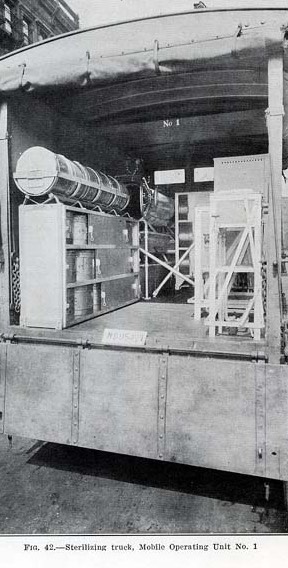
Motorized ambulances and trains helped to make getting to the injured easier and mobile X-Rays improved the level of care.
Downloading Image /
Downloading Image /
Downloading Image /
Downloading Image /
Downloading Image /
Downloading Image /



FlowVella, Previously Known As Flowboard
© 2026 FlowVella
 FlowVella