Sign up for FlowVella
Sign up with FacebookAlready have an account? Sign in now
By registering you are agreeing to our
Terms of Service
Loading Flow

Downloading Image /
Downloading Image /
Downloading Image /
Downloading Image /
Downloading Image /
1. Collaborative Lifestyles (54 platforms) are fee/fare based markets (45) mainly for services in professional or personal provision of human resources.
2. Redistribution markets (24 platforms) essentially trade in 2nd hand goods, of which clothing and accessories (7) were the most frequent applications. They use prevailingly purchase transactions (17)
3. Product Service Systems (34 platforms) are mostly found in transport and hospitality (25). They generally use rental as consideration for access to idle assets. However fee/fare-based (purchase) systems are common in taxi-type services.
Collab. Platforms-Findings

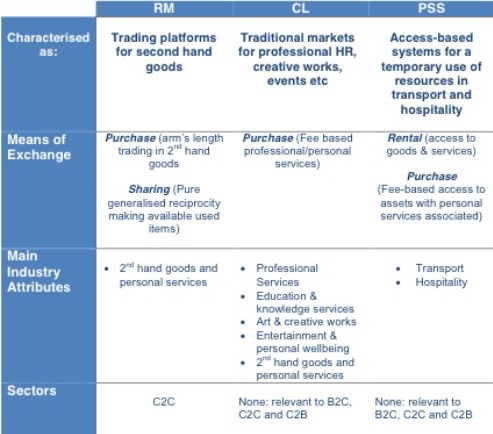
The study found that both Industry and product-specific characteristics were useful in refining the conceptualisation on collaborative consumption initial l'y based on collaborative typologies(i.e. product service systems, redistribution markets, or collaborative lifestyles), and the me ans of exchange used (initially defined as rental; barter; swap; borrow/lend; share). Findings also indicated that sector attributes (i.e B2B, B2C etc) are les useful in defining the specificities of the applications of collaboration through technology-driven platforms.
Downloading Image /
Downloading Image /
Downloading Image /
Downloading Image /



Participant Motivations in Collaborative Consumption Contexts and Their Implications to Marketers
By Chris
This presentation summarises the findings of a dissertation study on participant motivations in collaborative consumption. It is addressed to respondents to a survey launched as part of the study.
FlowVella, Previously Known As Flowboard
© 2026 FlowVella
 FlowVella