Sign up for FlowVella
Sign up with FacebookAlready have an account? Sign in now
By registering you are agreeing to our
Terms of Service
Loading Flow

Downloading Image /
Downloading Image /
Downloading Image /
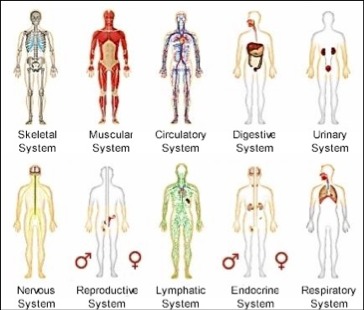
Components: oral cavity, esophagus, liver, stomach, small intestine, large intestine, rectum, anus.
Urinary system-
•eliminates nitrogenous wastes from the body; regulates water, electrolyte and acid-base balance of the blood.
Components: kidney, ureter, urinary bladder, and urethra
Male Reproductive system, Female Reproductive system-
•Overall function is production of offspring. Testes produce sperm and male sex hormone; ducts and glands aid in delivery of sperm to the female reproductive tract. Ovaries produce eggs and female sex hormones; remaining structures serve as sites for fertilization and development of the fetus. •Mammary glands of female breasts produce milk to nourish the newborn.
Components of male: prostate gland, penis, testis, ductus deferens, scrotum
Components of female: mammary glands(in breasts), ovary, uterus, vagina, uterine tube
3. Integumentary system-
•forms the external body covering, protects deeper tissues from injury, synthesizes vitamin D, site of cutaneous(pain, pressure, etc.) receptors and sweat and oil glands
Components: hair, skin and nails
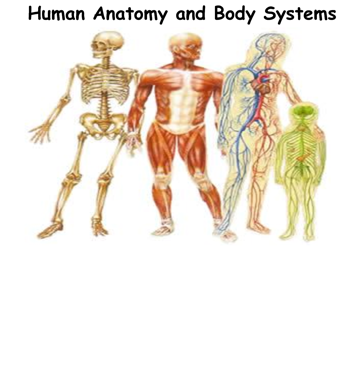
Skeletal system-
•protects and supports body organs; provides a framework that muscles use to cause movement; blood cells are formed within bones; stores minerals
Components: bones and joints
Muscular system-
•allows manipulation of the environment, locomotion, and facial expression; maintains posture; produces heat
Nervous system-
•fast-acting control system of the body; responds to internal and external changes by activating appropriate muscles and glands
Components: brain, sensory receptor, nerves, and spinal cord
Endocrine system-
•glands secrete hormones that regulate processes such as growth, reproduction and nutrient use (metabolism) by body cells
Components: pineal gland, pituitary gland, thyroid gland, thymus, adrenal gland, pancreas, ovary, and testis
Cardiovascular system-
•blood vessels transport blood, which carries oxygen, carbon dioxide, nutrients, wastes, etc.; the heart pumps blood.
Components: heart and blood vessels
Lymphatic system/Immunity-
•picks up fluid leaked from blood vessels and returns it to blood; disposes of debris in the lymphatic stream; houses white blood cells(lymphocytes) involved in immunity. The immune response mounts the attack against foreign substances within the body.
Components: red bone marrow, thymus, lymphatic vessels, thoracic duct, spleen, and lymph nodes.
Respiratory system-
•keeps blood constantly supplied with oxygen and removes carbon dioxide; the gaseous exchanges occur through the walls of the air sacs of the lungs.
Components: nasal cavity, pharynx, trachea, bronchus, and lung.
Digestive system-
•breaks down food into absorbable units that enter the blood for distribution to body cells; indigestible foodstuffs are eliminated as feces.
Downloading Image /
Downloading Image /
Downloading Image /
Downloading Image /
Downloading Image /
Downloading Image /
Downloading Image /
Downloading Image /
Downloading Image /
Downloading Image /
Downloading Image /
Downloading Image /
Downloading Image /
Downloading Image /
Downloading Image /
Downloading Image /
Downloading Image /
Downloading Image /
Downloading Image /
Downloading Image /
Downloading Image /
Downloading Image /
Downloading Image /
Downloading Image /
Downloading Image /
Downloading Image /
Downloading Image /
Downloading Image /
Downloading Image /
Downloading Image /
Downloading Image /
Downloading Image /
Downloading Image /
Downloading Image /
Downloading Image /
Downloading Image /
Downloading Image /
Downloading Image /
Downloading Image /
Downloading Image /



FlowVella, Previously Known As Flowboard
© 2026 FlowVella
 FlowVella