Sign up for FlowVella
Sign up with FacebookAlready have an account? Sign in now
By registering you are agreeing to our
Terms of Service
Loading Flow

Downloading Image /
Downloading Image /
Downloading Image /
Downloading Image /
Downloading Image /
Downloading Image /
Downloading Image /
Downloading Image /
Downloading Image /
Downloading Image /
Downloading Image /
Downloading Image /
Downloading Image /
Downloading Image /
Downloading Image /
Downloading Image /
Downloading Image /
Downloading Image /
Downloading Image /
Downloading Image /
Downloading Image /
Downloading Image /
Downloading Image /
Downloading Image /
Downloading Image /
Downloading Image /
Downloading Image /
Downloading Image /
Downloading Image /
Downloading Image /
Downloading Image /
Downloading Image /
Downloading Image /
Downloading Image /
Downloading Image /
Downloading Image /
Downloading Image /
Downloading Image /
Downloading Image /
Downloading Image /
Downloading Image /
Downloading Image /
Downloading Image /
Downloading Image /
Downloading Image /
Downloading Image /
Downloading Image /
Downloading Image /
Downloading Image /
Downloading Image /
Layering the Top of the Head
The diagonal, horizontal, and vertical layering techniques
leave the decision of how to layer the top to you and your
client. There are several different sectioning patterns that
you can use depending on:
• Where he/she wears a part.
• Where you want to maximize and minimize the weight.
• Your client’s preferences.
Layering the Top of the Head
Layering the Top of the Head Procedure
The procedure for cutting varies slightly depending on the
pattern you use. This procedure is for cutting a horizontal
layered top.
1. Stand on the client’s right side.
2. Position the client’s head upright.
3. Cut a vertical, 1" center guide to the back of the crown,
cutting from front to back. For patterns other than
horizontal, make certain that the guide section is placed
correctly for the pattern.
4. Stand behind the client.
5. Make a 1/2" to 1" horizontal subsection behind the front
perimeter.
6. From this subsection, pick up part of the center guide andthe hair to the right of it.
7. Hold the hair at 90°.
8. Cut the hair to the guide.
9. Repeat on the left side of the subsection.
Note: If you can control all the hair at once, hold it at
90° and cut the hair on both the right and left sides of
the guide.
10. Repeat steps 5 through 9, working to the back crown. The number of subsections will depend on the density of the
hair.
11. Cross check the hair with vertical subsections. For
patterns other than horizontal, cross check the hair using subsections opposite to the way it was cut.
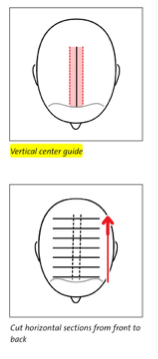
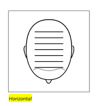
Possible subsection patterns for layering the top include thefollowing:
Horizontal
Commonly used when a part is not
desired.Medium weight in left and right parietal areas; minimal weight in the center of
the head. Creates a square shape (squarelayers).
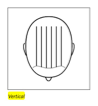
Vertical
Commonly used when a part is not desiredand the hair is worn forward.Medium weight in the right and left parietal areas; follows the head shape.
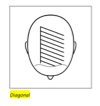
Diagonal
Commonly used with a side parting.Maximum weight above the left parietal area; minimal weight above the right parietal area.
❗️Note: The guide is set when you cut the safety sectionand is followed according to the shape being cut.
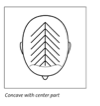
Concave
Part can be worn on the left, right, or
center.Maximum weight in both the right and
left parietal areas; minimal weight at thecenter or side part.
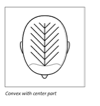
Convex
Part can be worn on the left, right, or
center.Minimal weight in both the right and leftparietal areas; maximum weight at the
center or side part.
24
Downloading Image /
Downloading Image /
Downloading Image /
Downloading Image /
Downloading Image /
Downloading Image /
Downloading Image /



FlowVella, Previously Known As Flowboard
© 2026 FlowVella
 FlowVella