Sign up for FlowVella
Sign up with FacebookAlready have an account? Sign in now
By registering you are agreeing to our
Terms of Service
Loading Flow

Downloading Image /
Downloading Image /
Downloading Image /
Downloading Image /
Downloading Image /
Downloading Image /
Downloading Image /
Downloading Image /
Downloading Image /
Downloading Image /
Downloading Image /
Downloading Image /
Downloading Image /
Downloading Image /
Downloading Image /
Downloading Image /
Downloading Image /
Downloading Image /
Downloading Image /
Downloading Image /
Downloading Image /
Downloading Image /
Downloading Image /
Downloading Image /
Downloading Image /
Downloading Image /
Downloading Image /
Downloading Image /
Downloading Image /
Downloading Image /
Downloading Image /
Downloading Image /
Downloading Image /
Downloading Image /
Downloading Image /
Downloading Image /
One Length Cut
A one-length cut, by definition, means that all hair reaches the perimeter, which can be horizontal, concave, etc.
💢One-length cuts (sometimes called blunt cuts or bobs)
One-Length Above-the-Shoulders Cutting Procedure
1. Section Hair
📺🎬👀See DVD: Scene 1.1, One-Length Above-the-Shoulder.
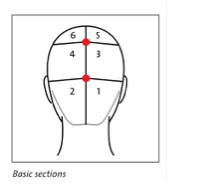
The sectioning for a one-length technique cut is the six
basic sections.
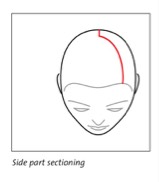
If the client always wears a side part, angle the side part from the front hairline to the center crown. This side part connects with the back middle part. However, if the client wants to be able to change the part or wear a center part, part the hair in the center for cutting.
2. Check Client’s Body Position
Raise the client’s chair to where the perimeter will be at
your chest level.
Hint: Make sure that the client’s legs are not crossed. Crossed legs tilt the client’s body, making it harder to cut hair evenly.
3. Cut/Establish the Guideline (Cut Sections 1 and 2)
1. To begin cutting, center yourself directly behind the client.
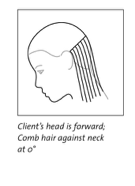
2. For control, position the client’s head forward to create a solid plane (the neck) on which to cut.
3. Take out the clips that are securing sections 1 and 2.
Note: Make sure that the hair is consistently wet or dry as you cut. Cutting some hair while it is wet and other hair while it is dry can cause inconsistencies in the shape.
4. Using the fine teeth of the comb to create maximum
tension, comb the hair into gravity (don’t shift hair to the side) and at 0° (without elevation).
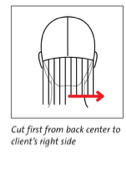
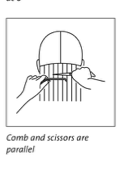
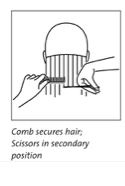
5. Starting at the center at the nape, use the spine of the comb to secure a portion of the section (a little from each of sections 1 and 2) against the nape of the neck.
6. Holding the scissors in secondary position (thumb and fingers down) and parallel to the section parting, cut the hair.
7. Repeat the cutting on the client's right side. Then return
to the center and cut from the center to the client’s left side.
8. Check the balance in the mirror and make corrections before continuing.
17
Downloading Image /
Downloading Image /
Downloading Image /
Downloading Image /
Downloading Image /
Downloading Image /
Downloading Image /
Downloading Image /
Downloading Image /
Downloading Image /
Downloading Image /
Downloading Image /
Downloading Image /
Downloading Image /
Downloading Image /
Downloading Image /
Downloading Image /
Downloading Image /
Downloading Image /
Downloading Image /
Downloading Image /



FlowVella, Previously Known As Flowboard
© 2026 FlowVella
 FlowVella