Sign up for FlowVella
Sign up with FacebookAlready have an account? Sign in now
By registering you are agreeing to our
Terms of Service
Loading Flow

Downloading Image /
Downloading Image /
Downloading Image /
Downloading Image /
Downloading Image /
Downloading Image /
Downloading Image /
Downloading Image /
Downloading Image /
Downloading Image /
Downloading Image /
Downloading Image /
Downloading Image /
Downloading Image /
Downloading Image /
Downloading Image /
Downloading Image /

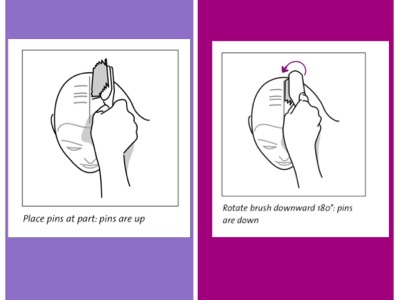
2. Lock in the Base
1. Stand to the left of the area that you are styling.
2. Place the brush with the pins closest to the head resting
at the part.
3. Using your wrist only (not your arm), rotate the brush
approximately 180° until the pins on the opposite side of
the brush are at the part.
❗️❗️Note: Take only as much hair into the brush as can be
covered by the pins as you rotate the brush. Do not "dip"below that area.
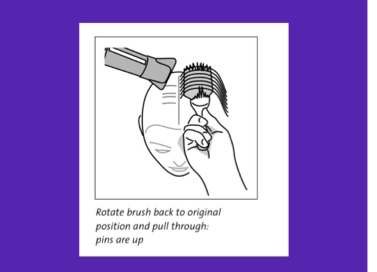
4. Rotate the brush back again, accumulating the hair in the pins across the pad of the brush. The brush should now
be facing directly up. This will “lock” hair in the brush.
Half-Round Styling Technique Continued
3. Dry
1. Hold the blow dryer (with the nozzle attached) directly
above the brush.
2. Draw the brush down toward the end of the hair,
following with the blow dryer and directing the air down the hair shaft. Keep the dryer and brush moving all the
time and avoid getting too much heat on the client’s
scalp.
3. Drop the hair ends out of the brush before they become
dry (they should simply fall out)—they will be beveled
after the rest of the hair in that panel has been dried
and, therefore, need to be damp.
4. After drying the center panel, repeat the process of
locking in the hair and dropping the ends on one side
and then the other for the remaining panels in that
section.
1. Hold the blow dryer (with the nozzle attached) directly above the brush.
2. Draw the brush down toward the end of the hair, following with the blow dryer and directing the air down the hair shaft. Keep the dryer and brush moving all the time and avoid getting too much heat on the client’s scalp.
3. Drop the hair ends out of the brush before they become dry (they should simply fall out)—they will be beveled after the rest of the hair in that panel has been dried and, therefore, need to be damp.
4. After drying the center panel, repeat the process of locking in the hair and dropping the ends on one side and then the other for the remaining panels in that section.
9.A
Downloading Image /
Downloading Image /
Downloading Image /
Downloading Image /
Downloading Image /
Downloading Image /
Downloading Image /
Downloading Image /
Downloading Image /
Downloading Image /
Downloading Image /
Downloading Image /
Downloading Image /
Downloading Image /
Downloading Image /
Downloading Image /
Downloading Image /
Downloading Image /
Downloading Image /
Downloading Image /
Downloading Image /
Downloading Image /
Downloading Image /
Downloading Image /
Downloading Image /
Downloading Image /
Downloading Image /
Downloading Image /
Downloading Image /
Downloading Image /
Downloading Image /
Downloading Image /
Downloading Image /
Downloading Image /
Downloading Image /
Downloading Image /
Downloading Image /
Downloading Image /
Downloading Image /
Downloading Image /



FlowVella, Previously Known As Flowboard
© 2026 FlowVella
 FlowVella