Sign up for FlowVella
Sign up with FacebookAlready have an account? Sign in now
By registering you are agreeing to our
Terms of Service
Loading Flow

Downloading Image /
Downloading Image /
Downloading Image /
Downloading Image /
Downloading Image /
Downloading Image /
Downloading Image /
Downloading Image /
Downloading Image /
Downloading Image /
Downloading Image /
Downloading Image /
Downloading Image /
Downloading Image /
Downloading Image /
Downloading Image /
Downloading Image /
Downloading Image /
Downloading Image /
Downloading Image /
Downloading Image /
Downloading Image /
Downloading Image /
Downloading Image /
Downloading Image /
Downloading Image /
Downloading Image /
Downloading Image /
Downloading Image /
Downloading Image /
Downloading Image /
Downloading Image /
Downloading Image /
Downloading Image /
Downloading Image /
Downloading Image /
Downloading Image /
Downloading Image /
Downloading Image /
Downloading Image /
Downloading Image /
Downloading Image /
Downloading Image /
Downloading Image /
Downloading Image /
Downloading Image /
Downloading Image /
Downloading Image /
Downloading Image /
Downloading Image /
Downloading Image /
Downloading Image /
Texturizing Techniques
General Process for Texturizing Hair
Use these texturizing techniques after
cutting the hair and establishing the length and shape.
Most techniques can be used with either wet or dry hair
(except if you are using a razor, which is always done with
wet hair). You then determine a technique to use based on
the following:
• The desired effect: more or less volume, more or less
softness, etc.
• Density of the hair
• Texture of the hair (coarse, medium, or fine; curly or
straight)
• Amount of curl
• The tools most appropriate for the situation
When using any of these techniques, constantly check for
the reaction of the hair and the amount of texture being
created. Also, after styling the hair, check it again and
correct the texture as necessary.
‼️Note: Hair that is extremely curly and/or coarse should not be "thinned" too much. Removing too much weightcan cause the hair to expand or release too much
volume.
Texturizing Tools
In addition to standard scissors, you use these tools to
texturize hair:
• Blending shears
• Thinning shears
• Razor
When texturizing hair, you use these tools to thin, remove length, and release curl. All of these tools can also be used for other haircutting techniques.
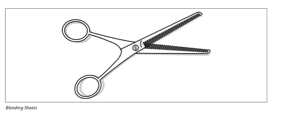
Blending shears have notches on both blades, and remove approximately 25% of the weight in a section. When used
on the ends of the hair shaft, it helps to soften one-length cut ends. When used closer to the scalp or the middle of thehair shaft, the shorter pieces create lift and volume. used with dry hair.
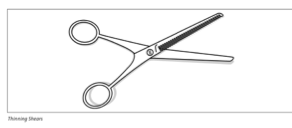
Thinning Shears
Thinning shears have fine notches on one blade, while the other blade is a cutting blade. This tool removes 50% of theweight in a section. Use it to remove bulk in a haircut and soften the ends of coarse hair. used with dry hair.
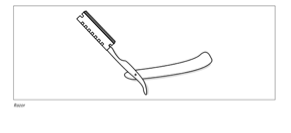
Razor
Used with a soft touch, the razor softens the hair by tapering each hair strand. Always hold the razor with the guard toward you and never remove the guard to cut.
25.A
Downloading Image /
Downloading Image /
Downloading Image /
Downloading Image /
Downloading Image /



FlowVella, Previously Known As Flowboard
© 2026 FlowVella
 FlowVella