Sign up for FlowVella
Sign up with FacebookAlready have an account? Sign in now
By registering you are agreeing to our
Terms of Service
Loading Flow

Downloading Image /
Downloading Image /
Downloading Image /
Downloading Image /
Downloading Image /
Downloading Image /
Downloading Image /
Downloading Image /
Downloading Image /
Downloading Image /
Downloading Image /
Downloading Image /
Downloading Image /
Downloading Image /
Downloading Image /
Downloading Image /
Downloading Image /
Downloading Image /
Downloading Image /
Downloading Image /
Downloading Image /
Downloading Image /
Downloading Image /
Downloading Image /
Downloading Image /
Downloading Image /
Downloading Image /
Downloading Image /
Downloading Image /
Downloading Image /
Downloading Image /
Downloading Image /
Downloading Image /
Downloading Image /
Downloading Image /
Downloading Image /
Downloading Image /
Downloading Image /
Downloading Image /
Downloading Image /
Downloading Image /
Downloading Image /
Downloading Image /
Downloading Image /
Downloading Image /
Downloading Image /
Downloading Image /
Downloading Image /
Downloading Image /
Downloading Image /
Downloading Image /
Downloading Image /
Downloading Image /
Downloading Image /
Downloading Image /
Downloading Image /
Clippers Cutting
Clipper cutting is a precise and fast technique for cutting
an entire short haircut, or it can be combined with other
techniques to produce various effects.
In general, this technique is performed on hair that is 2” or shorter, but clippers can be used for any length hair. This
lesson describes using the clipper to cut a shorter length.
The shapes you can create include:
• Graduated from short to long
• Even lengths throughout
In addition, use this technique to clean up the perimeter
and interior lengths.
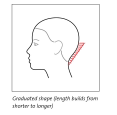
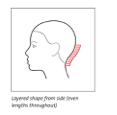
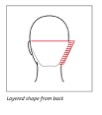
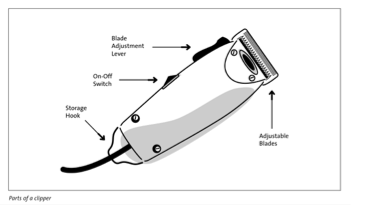
Clipper
There are two blades on each clipper. One blade is stationary while the other one moves side to side as it cutshair. The stationary blade can be adjusted up (to cut less length) or down (to cut more). For additional adjustment, you can add attachments, called “guards,” to help ensure that you cut a consistent length.
An edger is a small clipper with very fine teeth used for doing finishing work in hairlines and sideburn areas. It is sometimes used for cleaning up perimeters. Both kinds of clippers can add strong definition to the perimeter.
Clipper Cutting Process
1. Determine the length you want.
2. Determine the shape to be created.
3. Section away the hair above the parietal ridge.
4. Holding the comb in your subordinate hand, use it
to elevate the hair from 1° to 90°, depending on the shape desired. Lower elevation builds weight (creating a graduated shape); higher elevation removes weight.
‼️Note: Pick up only as much hair as you can control with consistent elevation. When first learning this technique, you might find it easier to control hair if you pick up and cut near the end of the comb, rather than toward the middle.
5. Move the comb out to the desired length of the hair. The
closer you hold the comb to the head, the shorter the hair will be cut.
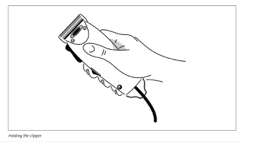
6. Hold the clipper as if you were shaking hands.
7. Beginning at the hairline, comb and cut what you can
control.
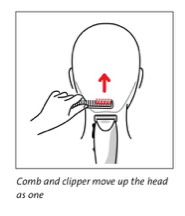
8. Using the comb, lift the previously cut hair up to the
uncut hair to serve as a guide for the next section. The
comb and clipper move up the head as one.
‼️Note: Always keep the comb between the blades and
the head to prevent cutting gouges or steps into the
haircut.
9. To change the length of the hair and adjust to the head
shape, simply rotate the comb away from you for a
shorter result and toward you for a longer result.
10. Check for accuracy by stepping away and looking for
incorrect areas of weight (usually indicated by dark or shaded areas). Then use the mirror to determine the shape and the balance, turning the chair to see all sides of the hair.
11. Comb the hair and cut it vertically to cross check and
clean up.
27
Downloading Image /



FlowVella, Previously Known As Flowboard
© 2026 FlowVella
 FlowVella